Cornwall's Storm Goretti Fallout: Broadband Outages Spark Infrastructure and Devolution Debate
In the aftermath of Storm Goretti, which battered Cornwall earlier this month, residents in remote settlements like Cucurrian are grappling with prolonged disruptions to essential services. The storm, which brought down thousands of power, phone, and broadband lines, has left many without reliable communication links, water, and road access for over two weeks, exposing significant vulnerabilities in the region's infrastructure.
Isolation and Frustration in Remote Communities
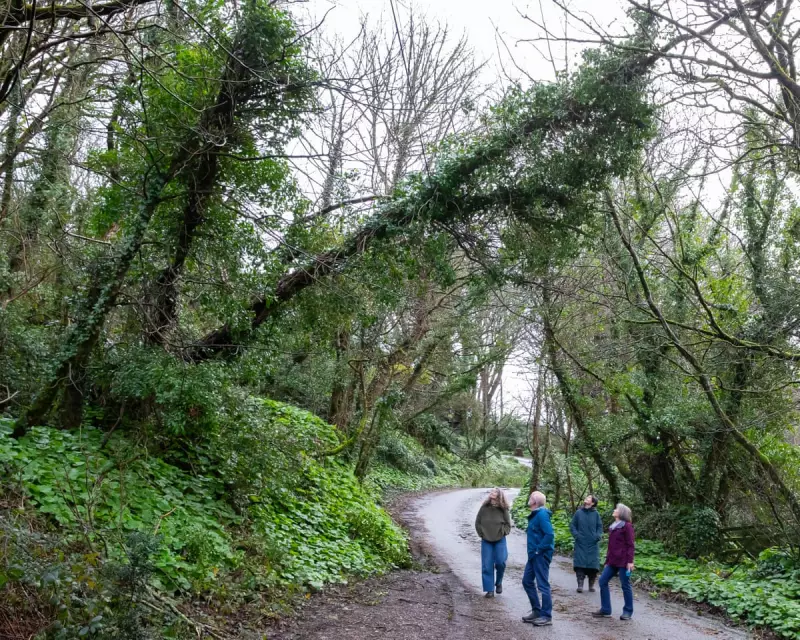
Accessed by a steep, winding lane, the tiny settlement of Cucurrian in far-west Cornwall feels particularly isolated. Mark Pugh, an audiobook producer, expressed the community's frustration, stating, "I think people feel let down, angry, failed." He has resorted to sitting in his car in laybys to find a mobile signal for work, highlighting how the outage impacts daily life and livelihoods. Elaine Claxton, 70, an actor, pointed to broken wires dangling near a fallen tree, lamenting the lack of broadband, landline, and reliable mobile signal. This has made staying in touch with frail family members nearby a fraught experience.
Her sister, Shelley Claxton, 63, an animal trainer, noted that while remote communities are inherently resilient, "Nature is whipping up more and more storms and we need to find ways of adapting to that." The sentiment is echoed across Cornwall, where the storm's aftermath has sparked broader concerns about climate change and infrastructure preparedness.

Broader Impact on Work and Connectivity
The communication breakdown has affected not only remote areas but also towns. Sam Kirby, 53, a digital marketing consultant and coastguard rescue officer on the Lizard peninsula, described having to work as a "digital nomad" in supermarket car parks and libraries due to the broadband outage. She criticised the disparity between Cornwall's promotion as a booming digital economy and the reality of unreliable connectivity. Similarly, Karen Bennett, 72, living near Penzance town centre, faced disruptions in her role as chair of a twinning association, with a fallen tree cutting off her broadband despite repairs.
Many residents are angry at Openreach, the company responsible for maintaining the UK's largest broadband network, for the slow restoration of services. There is also concern that the transition from copper phone lines to full-fibre broadband may increase vulnerability, as Sam Kirby warned, "If this happens again next year, we won’t even have the copper landline so won’t have any link out at all."
Political and Cultural Implications
The outages have ignited political debates in Cornwall, coinciding with discussions about devolution. Loveday Jenkin, a leading member of Mebyon Kernow, a party advocating for greater self-government, argued that Storm Goretti exposed infrastructure weaknesses. She called for more devolved resilience funding, stating, "People want to treat Cornwall as a holiday playground. They need to recognise that there are people on the ground who have to manage it but don’t have the money." Jenkin also emphasised Cornwall's role as a "canary in the coalmine" for climate change, predicting more frequent storms.
This comes as the Cornish language, Kernewek, gains official recognition under European charter, and the UK government explores a bespoke devolution deal for Cornwall. However, the ongoing service disruptions have led many to question whether the rest of the UK adequately supports the region beyond its tourism appeal.
Response and Recovery Efforts
Openreach responded to criticisms by acknowledging the extensive damage caused by Storm Goretti, describing it as the worst impact on Cornwall's network in recent memory. A spokesperson said, "We have managed to reconnect thousands of homes and businesses, but there is more to do and we know how frustrating that is." They rejected claims that fibre networks are more vulnerable, attributing outages to fallen trees affecting both copper and fibre infrastructure.

The recovery process is expected to be lengthy. On the Isles of Scilly, battered by 99mph gusts, Alasdair Moore, head of estate and gardens on Tresco, noted the devastating effects, including fallen trees and damaged houses. He praised the community's resilience, stating, "The way the community and the team has responded has been magnificent," but acknowledged the clear-up could take years.
As Cornwall continues to rebuild, the storm's legacy underscores urgent calls for enhanced infrastructure investment, climate adaptation strategies, and greater local control to ensure the region can withstand future extreme weather events.