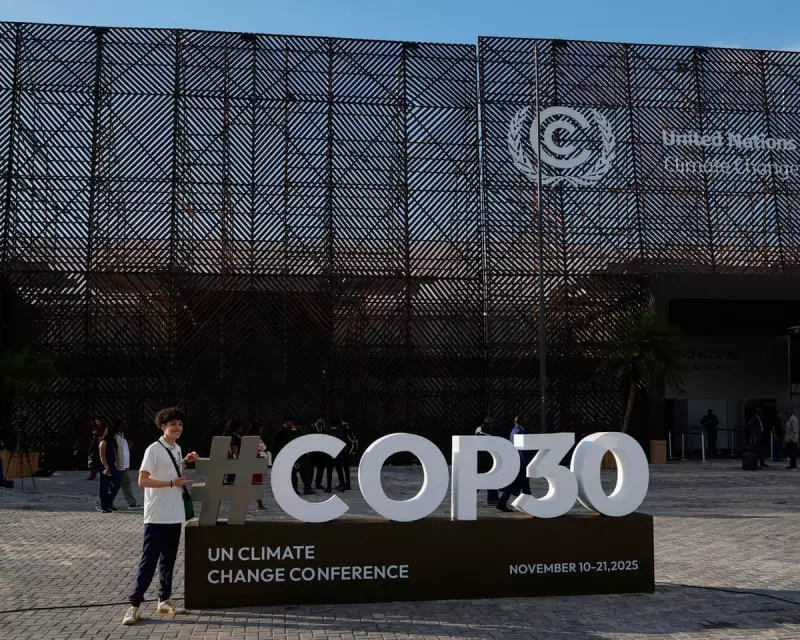
In a critical effort to confront the escalating climate emergency, ministers and high-ranking officials from nearly 200 nations have assembled in the Amazonian city of Belem for the COP30 UN climate summit. The gathering represents a pivotal moment to agree on concrete measures to curb global heating before catastrophic temperature rises become irreversible.
A Summit of Implementation
The atmosphere in Belem is charged with a sense of urgency, distinct from previous conferences. Brazil, the host nation, is deliberately breaking from the tradition of protracted, often fruitless, negotiations that have defined the last three decades of UN climate talks. Instead of endless debates over future promises, this summit has been branded the "Cop of implementation."
Andre Correa do Lago, the president of COP30, articulated this shift in focus, stating, "Negotiations need consensus. But implementation is countries choosing what they want to do and executing what they have said they are going to do." This pragmatic approach prioritises real-world impact, though it raises questions about how to hold nations accountable if they choose to do very little.
From Pomp to Policy: The Roadmaps Forging Ahead
The conference follows a high-profile "leaders' summit" held on 6 and 7 November, which saw the attendance of more than 50 heads of state and government. Key figures included the UK's Keir Starmer, the EU's Ursula von der Leyen, and Germany's Friedrich Merz. Notably absent were the leaders of the US, Russia, China, and India, though the latter two have extended diplomatic courtesies to Brazil regarding the event.
With the dignitaries now departed, the task falls to their negotiating teams. The anticipated outcomes of COP30 are not the usual lists of pledges but a collection of tangible "roadmaps" designed to guide future action. These include:
- A roadmap on climate finance, which has already been published.
- A roadmap for transitioning away from fossil fuels.
- A roadmap for scaling up low-carbon energy and cutting greenhouse gas emissions to meet the 1.5C global heating limit.
On complex issues like the fossil fuel transition, a final agreement may not be reached in Belem. Instead, the summit may establish forums for ongoing discussions that will span several future COP meetings.
A Test of Global Collective Will
The scope of COP30 is vast, encompassing everything from energy and finance to social justice and biodiversity. Over two weeks, the event will bring together a diverse group of ministers, scientists, business leaders, Indigenous representatives, and civil society from across the globe.
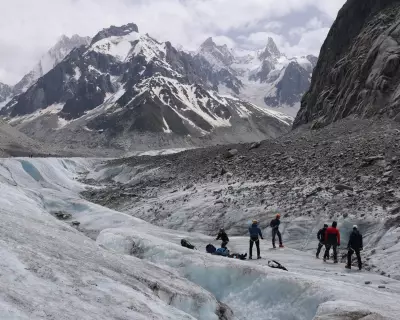
The backdrop to these talks is a series of stark warnings from scientists. The world is heating at an unprecedented rate, pushing the planet perilously close to climate "tipping points" that could trigger irreversible and accelerated catastrophe.
Ultimately, one overarching question looms over the proceedings in Belem: Does the collective global will exist to solve this crisis? The summit serves as a profound test of whether the world can unite despite geopolitical conflicts, populist divisions, and rampant climate disinformation to demonstrate the cooperation and mutual respect required to face this existential threat.