Tropical Plants Experience Dramatic Flowering Shifts Amid Climate Breakdown
New scientific research has uncovered a startling trend in tropical regions, where plants are flowering up to four months earlier than historical norms due to the accelerating impacts of climate breakdown. This significant shift in biological timing is disrupting delicate ecosystems and posing severe threats to global biodiversity, with far-reaching consequences for wildlife and human communities that depend on these natural systems.
Unprecedented Changes in Plant Behavior
The study, conducted by an international team of botanists and climate scientists, analyzed decades of flowering data from tropical forests across South America, Africa, and Southeast Asia. Researchers found that rising temperatures and altered precipitation patterns are forcing plants to accelerate their reproductive cycles, with some species flowering as much as 120 days earlier than recorded in previous decades. This phenomenon represents one of the most rapid biological responses to climate change ever documented in tropical environments.
Ecosystem Disruption and Biodiversity Threats
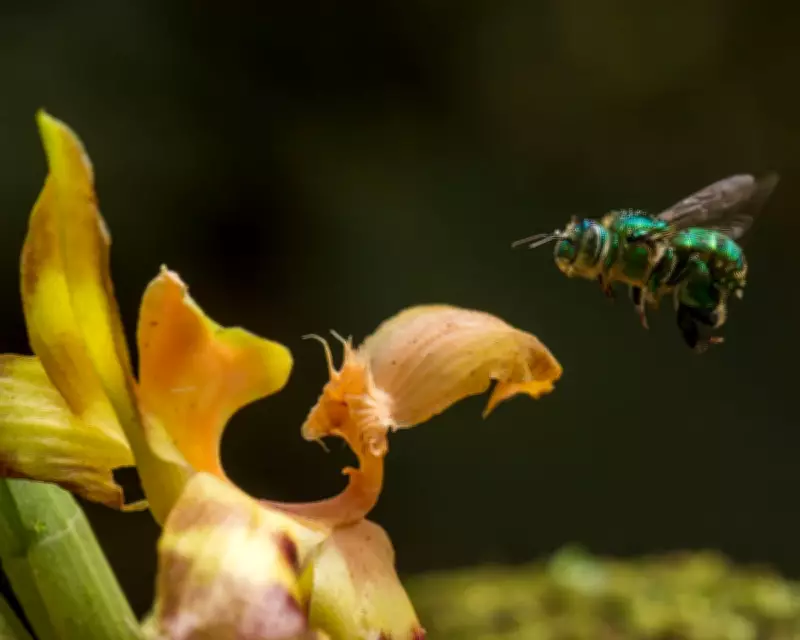
This premature flowering creates a cascade of ecological problems, as it desynchronizes the intricate relationships between plants and their pollinators, such as insects, birds, and bats. Many animal species rely on specific flowering periods for food sources, and this mismatch can lead to reduced pollination success, lower seed production, and ultimately population declines for both plants and pollinators. The research highlights that these disruptions could trigger local extinctions and reduce the resilience of tropical ecosystems to further climate stressors.

- Flowering shifts of up to four months observed in multiple tropical plant species
- Temperature increases identified as the primary driver of these changes
- Altered rainfall patterns contributing to accelerated reproductive cycles
- Significant mismatches developing between plants and their pollinators
- Potential for reduced genetic diversity in plant populations over time
Broader Implications for Global Climate Systems
Beyond local ecological impacts, these flowering shifts have broader implications for global climate systems. Tropical forests play a crucial role in carbon sequestration, and changes in plant behavior could affect their capacity to absorb atmospheric carbon dioxide. Additionally, altered flowering patterns may influence regional weather patterns and hydrological cycles, potentially exacerbating climate breakdown effects in a feedback loop that scientists are only beginning to understand.
The research team emphasizes that these findings underscore the urgent need for enhanced conservation efforts and climate mitigation strategies to protect tropical ecosystems from irreversible damage.Future Research Directions and Conservation Needs
Scientists are calling for expanded monitoring programs to track these flowering shifts more comprehensively across different tropical regions. They recommend developing adaptive conservation strategies that account for changing biological rhythms, such as creating climate-resilient protected areas and restoring degraded habitats to support ecosystem adaptation. The study also suggests that understanding these plant responses could help predict how other species might adapt to climate breakdown, informing broader biodiversity conservation policies.
This research adds to a growing body of evidence showing that climate breakdown is not just a future threat but a present reality with measurable impacts on the natural world. As tropical plants flower months earlier, the window for effective action to mitigate these changes continues to narrow, highlighting the critical importance of global cooperation in addressing the root causes of climate disruption.