In a significant shift for environmental politics, a coalition of progressive campaigners and politicians across the United States is successfully reframing ambitious climate policy as a core component of economic populism and affordability. This move comes as the Trump administration dismisses such measures as a "scam" while failing to curb rising energy bills and inflation.
Connecting Climate Catastrophe to the Cost of Living
For years, climate action was often presented as a moral test, requiring personal sacrifice for the greater good. Stevie O'Hanlon, co-founder of the youth-led Sunrise Movement, argues this framing ignores a fundamental reality: the climate crisis itself is a primary driver of soaring costs for working families. "People increasingly understand how climate and costs of living are tied together," O'Hanlon stated.
The evidence is mounting. Utility and healthcare bills climb as extreme weather intensifies. Public transit systems, vital for reducing emissions, face cuts. Rents rise as landlords pass on the costs of inefficient buildings, higher insurance, and disaster repairs. Climate risk has effectively become a monthly surcharge, exacerbating wealth inequality under an administration that accepted record donations from big oil.

The Rise of Affordability-First Climate Policies
This understanding is now shaping concrete political platforms. In New York City, democratic socialist mayor-elect Zohran Mamdani champions policies like free buses to cut car use and climate-resilient schools. Seattle's socialist mayor-elect, Katie Wilson, plans to expand social housing alongside green retrofits.
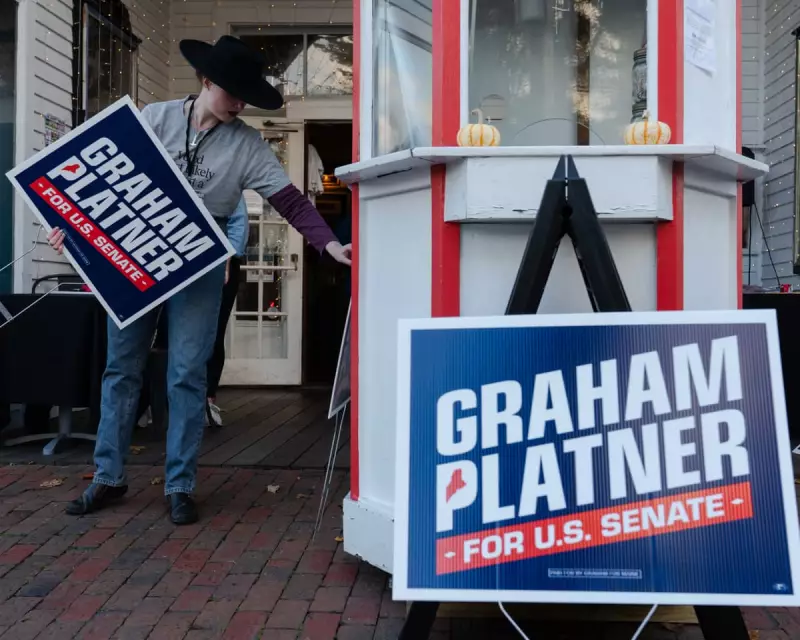
The trend extends beyond urban centres. In Maine, US Senate candidate Graham Platner pairs environmental protection with a critique of oligarchic politics. Nebraska's independent Senate hopeful, Dan Osborn, supports right-to-repair laws—a move climate advocates say cuts manufacturing emissions. Even mainstream Democrats in New Jersey and Virginia have won elections by focusing on lowering utility costs.
Building Economic Power Through Green Action
Grassroots movements are weaving emission reductions with community empowerment. Chicago's teachers' union secured a contract mandating solar panels on schools and creating clean-energy career paths. Similar efforts are underway by educators' unions in Los Angeles and Minneapolis.
"We see them as real protagonists in the fight for what we are calling 'green economic populism,'" said Rithika Ramamurthy of the Climate and Community Institute. From Maine to Texas, organised labour is demanding a unionised workforce for decarbonisation projects. Tenants' unions from Connecticut to California are fighting for eviction protections and green upgrades to shield renters from climate-driven displacement and bills.
A key demand is expanding public ownership of energy to eliminate shareholder profits and lower rates. Campaigns have succeeded in New York and are active in Maine and Baltimore. Simultaneously, the 'Make Polluters Pay' campaign is gaining traction. "Climate superfund" laws, passed in Vermont and New York and pending in others, would force polluters to fund resilience projects.
"When insurance becomes unaffordable and states are constantly rebuilding after disasters, people don't need some technical explanation," said campaign spokesperson Cassidy DiPaola. "Climate superfunds connect those costs to accountability." Polls show strong voter support for holding polluters financially responsible.
Learning from the Limits of the Inflation Reduction Act
Linking green goals with economic justice isn't new—it was central to the Green New Deal and influenced President Biden's Inflation Reduction Act (IRA), the largest climate investment in US history. However, critics say the IRA's benefits have not been widely felt.
Ramamurthy notes that while it boosted green manufacturing and created jobs, proposed investments in visible areas like housing and transit were scaled back. Incentives largely flowed to private companies and wealthier households. A 2024 poll found only 24% of voters believed the IRA helped them personally.

"The IRA focused on creating incentives for capital, relying almost entirely on carrots with very few sticks," Ramamurthy explained. O'Hanlon added that the administration's upbeat economic messaging felt out of touch with daily struggles, a gap Donald Trump has exploited without offering real solutions.
The emerging consensus among advocates is clear: to depolarise the climate debate and build a durable majority for action, the conversation must centre on economic fairness. "The fastest way to depolarise climate is to simply talk about who's paying and who's profiting," DiPaola concluded. "People disagree about a lot of things, but they do understand being ripped off."