Climate-related catastrophes have forcibly displaced a staggering 250 million people worldwide during the past ten years, according to a devastating new report from the United Nations refugee agency.
The Human Cost of Climate Breakdown
The comprehensive UNHCR analysis reveals that floods, storms, droughts and extreme heat have uprooted populations across the globe, with the climate emergency acting as a "risk multiplier" that exposes and worsens existing inequalities. The shocking figures equate to approximately 70,000 people being displaced every single day due to weather-related disasters.
Alongside sudden-onset disasters, slower environmental changes including desertification, rising sea levels and ecosystem destruction are increasingly threatening food and water security for vulnerable communities worldwide.
Conflict Zones Bear the Brunt
The situation becomes particularly dire in regions already grappling with violence and persecution. By mid-2025, 117 million people were displaced by war, violence and persecution - a human rights crisis that climate change is rapidly intensifying.
Alarmingly, the number of countries reporting both conflict and disaster-related displacement has tripled since 2009, according to the UNHCR's second major climate report titled No Escape II: The Way Forward.
Filippo Grandi, the UN High Commissioner for Refugees, issued a stark warning: "Funding cuts are severely limiting our ability to protect refugees and displaced families from the effects of extreme weather. If we want stability, we must invest where people are most at risk."
Case Studies Highlight Growing Crisis
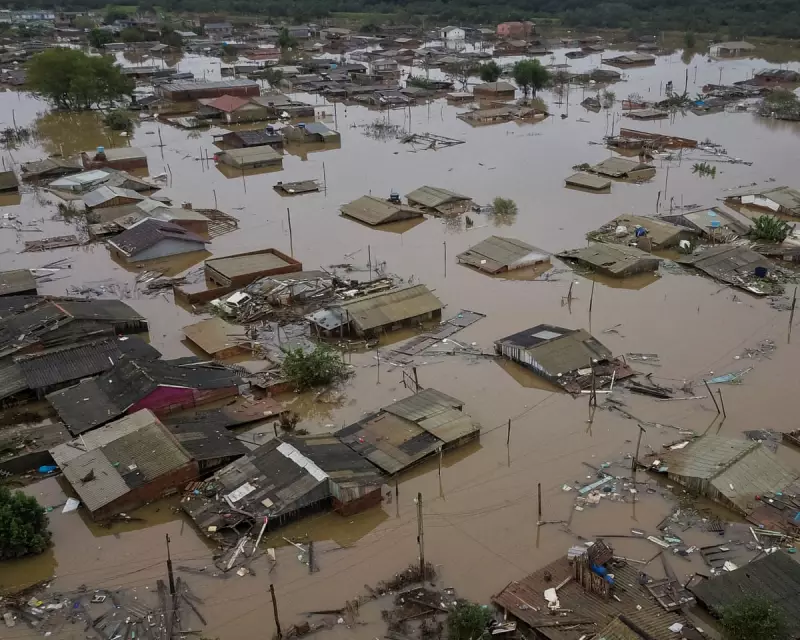
The report details several catastrophic events that illustrate the escalating humanitarian emergency. In May 2024, catastrophic flooding in Brazil's Rio Grande do Sul state killed 181 people and caused billions in damage. The disaster displaced 580,000 people, including 43,000 vulnerable refugees from Venezuela, Haiti and Cuba who were living in the worst-affected areas.
Earlier, Cyclone Mocha - the most destructive storm to hit Myanmar in years - devastated Rakhine state where 160,000 ethnic Rohingya have been confined to overcrowded camps since 2012.
One displaced Rohingya woman, Ma Phyu Ma, 37, told UN researchers: "We had very little to begin with. The hut was our shelter. The boat and nets allowed us to fish. The clothes were my source of income. It is painful for me to lose everything."
The crisis extends to Africa, where Chad, one of the most politically fragile and climate-vulnerable nations, hosts more than 1.4 million refugees and asylum seekers. In 2024 alone, floods forced more than 1.3 million people to flee their homes and camps - exceeding the total displacement of the previous 15 years combined.
Urgent Call for Action at COP30
The UNHCR report delivers a sobering outlook for the future, warning that without radical action to address climate catastrophe and support poor nations in adaptation, conditions will deteriorate dramatically.
By 2050, the hottest refugee camps could face nearly 200 days of dangerous heat stress annually, posing serious health risks and potentially making many locations uninhabitable.
Currently, three-quarters of refugees and displaced people live in countries facing high or extreme exposure to climate-related hazards, with repeated displacement becoming increasingly common.
The agency is calling on climate negotiators at COP30 in Brazil to address this largely overlooked and rapidly expanding population. Grandi emphasised the urgency: "To prevent further displacement, climate financing needs to reach the communities already living on the edge. They cannot be left alone. This Cop must deliver real action, not empty promises."
The report highlights that fragile and conflict-affected countries hosting refugees receive only a quarter of the climate finance they need, despite housing almost half the world's displaced people facing both conflict and climate impacts.