
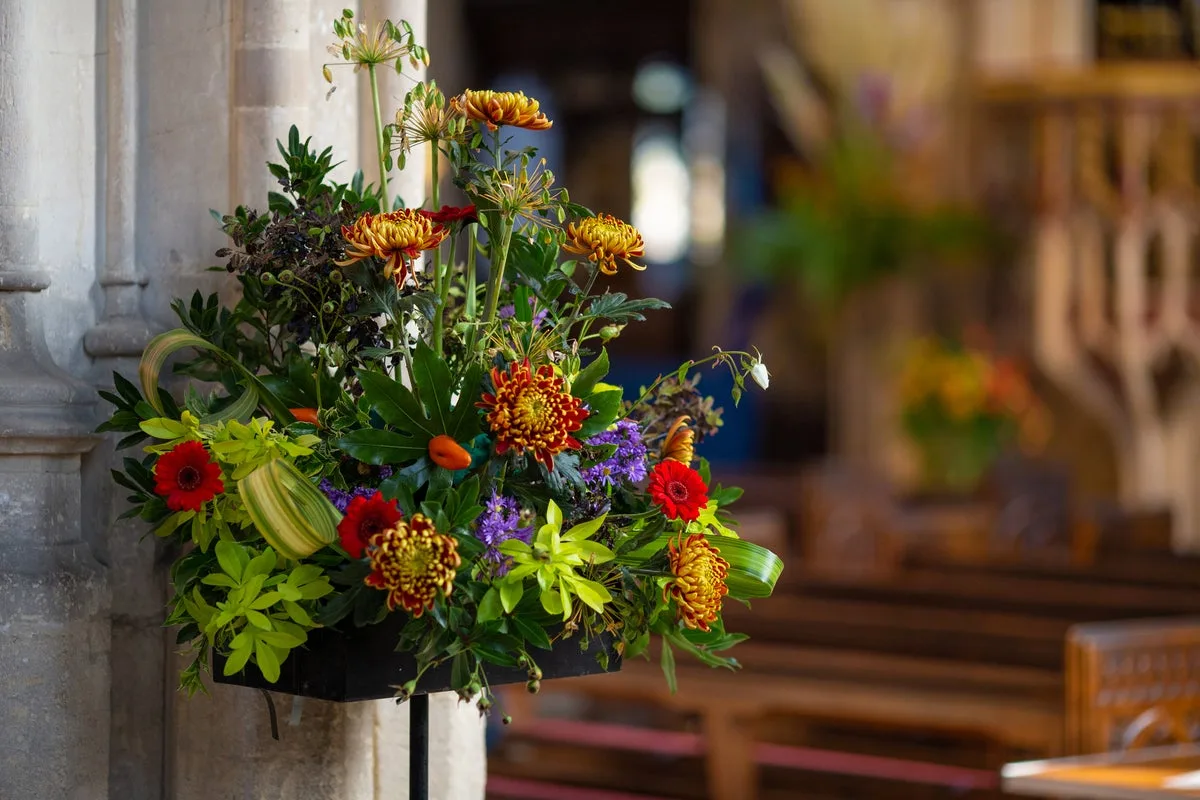
The Church of England's General Synod is set to vote next month on a motion urging places of worship to ban floral foam and other non-biodegradable products in a push for greater environmental sustainability.
Floral foam, widely used in flower arrangements, contains microplastics and is non-recyclable. The proposal forms part of a wider effort to make church practices more environmentally friendly.
Churches would instead be encouraged to use their own gardens for displays, compost waste, and repurpose Sunday flowers for midweek services or donate them to care homes and hospitals. Parishioners could also be asked to contribute flowers from their gardens or pot plants from home, a suggestion believed to foster community spirit and reduce costs.
The Bishop of Dudley, the Right Reverend Martin Gorick, said General Synod members voting for his motion "will encourage all Church of England parishes, chaplaincies and cathedrals to join this growing ecumenical movement glorifying God through sustainable church flowers".
In a paper ahead of the Synod meeting in London in February, he stated: "From adorning altars to celebrating weddings and marking seasonal festivals, floral arrangements bring beauty, symbolism, and a sense of reverence to sacred spaces. Yet, behind their elegance lies an often-overlooked reality: traditional floristry can carry significant environmental costs. Imported blooms, single-use plastics, chemical preservatives, and non-compostable floral foam all contribute to waste and carbon emissions."
The motion calls on members to embrace the principles of the Sustainable Church Flowers movement through the promotion of local, seasonal and fully biodegradable or compostable flowers and foliage, and to stop using floral foam "and all similar non-biodegradable and non-reusable products and techniques".




