
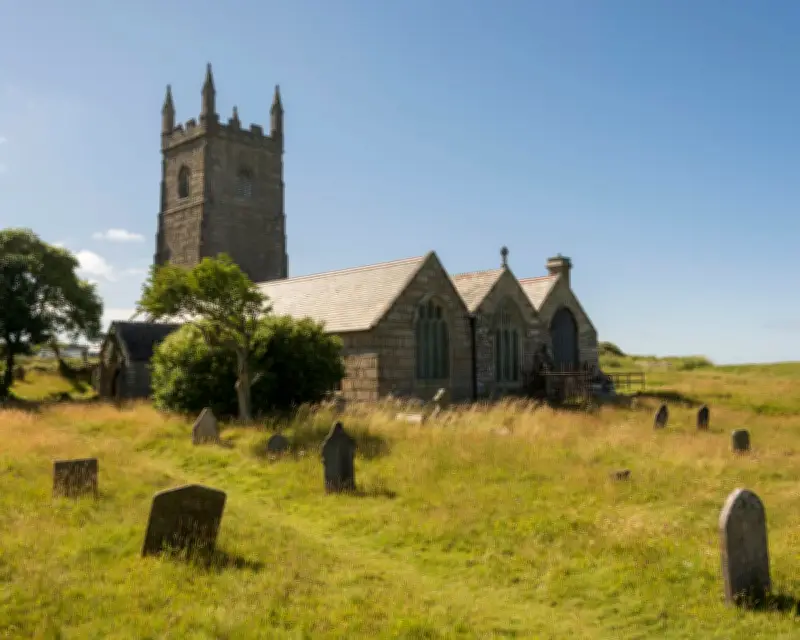
The Church of England has voted against a proposal to dedicate 30% of its land to nature restoration by 2030, drawing sharp criticism from campaigners who accuse the institution of failing to demonstrate moral leadership on environmental issues.
Motion Defeated at General Synod
The Rev Canon Val Plumb, an area dean in Oxford, introduced a private motion to the Church's General Synod calling for the rewilding target. However, the motion was blocked on Tuesday. Instead, the national assembly passed a separate amendment proposed by the Right Rev Graham Usher, the lead bishop for the environment, which lacks any measurable rewilding commitments.
The Church of England owns approximately 42,500 hectares (105,000 acres) of land, making it one of the largest landowners in England. Currently, only 3.5% of this land is used for nature restoration.
Amendment Lacks Concrete Targets
The amendment passed by the Synod outlines six steps as an alternative to the “30by30” target. These include “where appropriate, continue to support nature restoration projects” and “engage and collaborate with tenants about sustainable farming.” Critics argue these measures are insufficient and lack the urgency required to address the biodiversity crisis.
In the lead-up to the vote, William Nye, secretary general of the archbishops' council, stated that Plumb's motion conflicted with the church's legal obligations and its responsibility to ensure “long-term capital growth.”
Campaigners Voice Disappointment
Claire Rogers, a campaigner at Wild Card, a citizens' movement pushing for rewilding on major landholdings, expressed disappointment. “At a time when wildlife is collapsing in our countryside, we need much greater action than has been committed to today. Over 190 countries, including our own, committed to 30by30 for a reason – they can’t all be wrong,” she said.
Other large landowners have set measurable targets. For instance, the Crown Estate has pledged to manage 36% of its land for nature by 2030. The UK government, along with more than 100 other nations, has committed to the international 30by30 target, considered the minimum needed to halt and reverse global nature decline.
Government Strategy Criticized
On Monday, the government published its strategy to meet its own 30by30 target, but environmental groups condemned it as “pathetic” and “completely insufficient” given the escalating environmental crisis. Currently, only 7% of land in England meets the 30by30 criteria.
The Church Commissioners welcomed the amended motion, stating they were “pleased that Synod has embraced a collaborative approach that balances further support for nature with our legal and fiduciary obligations.” They noted that “around 90% of our farmland portfolio is productive or highly productive agricultural land,” and thus their focus is on “integrating nature recovery into working landscapes, supporting food production, and fostering the resilience of rural UK businesses.”




