
Labour's Aberdeen South By-Election Disaster
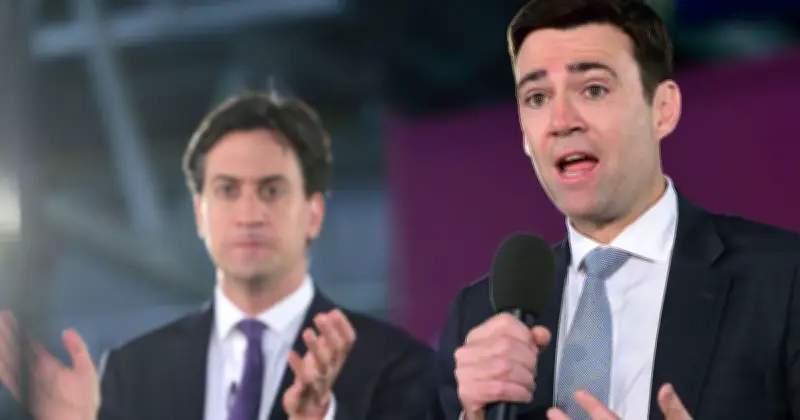
Andy Burnham has been urged to rescue Britain from the “madness” of Ed Miliband’s net zero crusade as expectations surge that the Makerfield election-winner will soon oust Sir Keir Starmer as prime minister. Mr Burnham is being pushed to sack Mr Miliband as Energy Secretary and resist pressure to make him Chancellor as a divided Labour Party reels at a devastating result in the Aberdeen South by-election.
The contest in Britain's energy capital was presented as a referendum on Mr Miliband’s ban on new oil and gas exploration. The Labour candidate won 9,905 fewer votes than in 2024, finishing in fourth place behind the victorious Tories, the SNP and Reform UK.
Conservative and Reform Calls for Change
Conservative leader Kemi Badenoch told the Sunday Express that “energy security is national security”, saying it is “madness to make ourselves poorer, weaker and more dependent” by relying on imported oil. Mrs Badenoch held out no hope for a change in direction if Sir Keir is ousted from Downing Street. She said: “[The] Labour party is now at war with itself. But whoever leads Labour, they will always end up taxing even more to spend more on benefits. Because the problem isn’t Keir Starmer, it’s the Labour party – or as they're now known, the welfare party.”
Reform UK deputy leader Richard Tice urged Mr Burnham to fire Mr Miliband, who is considered a key ally of the outgoing Mayor of Greater Manchester and who has been tipped to serve as his Chancellor. He said: “The result in Aberdeen is a devastating result for Labour’s net zero zealots and a clear rejection of the ban on new oil and gas licences in the North Sea… Burnham must move Red Ed Miliband from [the Department for Energy Security and Net Zero]. The Government should allow new drilling to bring about growth, jobs and lower bills.”
Mr Tice warned that “if a Prime Minister Burnham were to appoint Red Ed Miliband as Chancellor, then it would be a clear sign that Labour is blind to economic reality”.
Internal Labour Pressure Mounts
A Labour MP, speaking anonymously, said there was a “huge amount of pressure” within the party, particularly among Scottish MPs, to end the ban on new exploration. The MP pushed for the ejection of Mr Miliband from his position, saying: “Any sensible leader [would] have said to Ed a long time ago, ‘There's no future in Parliament for you.’” If Mr Miliband replaced Rachel Reeves as Chancellor, the MP feared, this could lead to a “run on the pound”.
Former Labour leader Sir Tony Blair has called for radical change so Britain makes use of remaining oil and gas resources and prioritises “cheaper energy and electrification” over the drive to achieve net zero carbon emissions.
Industry and Analyst Warnings
An Aberdeen-based manager in the energy industry, speaking on condition of anonymity, said: “It is clear that Aberdonians are not willing to accept the continuing, nonsensical destruction of the UK’s oil and gas industry, which has cost them — and the wider UK economy — so dearly.” He called on Mr Burnham to “think very carefully about any plans he may have to appoint the deluded Net Zero crusader Ed Miliband to any position of power – let alone allowing him to pursue his ultimate goal of becoming Chancellor”.
Andy Mayer, an energy analyst with the Institute of Economic Affairs, said present net zero policies ensure the energy the UK uses is “more expensive, dirtier, and less secure” and that the country “forgoes the boon to taxes and growth from investment in new supply”. He predicted that “both the Conservatives and Reform are likely to benefit” if Labour continues with the present policies.
Union and Election Expert Reactions
Louise Gilmour, Scotland secretary of the GMB trade union, turned her guns on ministers in both the UK and Scottish governments, saying: “Their rushed and needless rundown of the North Sea is continuing despite an industrial catastrophe unfolding in plain sight.” Ms Gilmour said the election result “must be a wake-up call”, adding: “We will need oil and, in particular, gas, for decades so why are we shutting down North Sea industries instead of bolstering our energy security and protecting jobs while building our renewables capacity.”
Election expert Sir John Curtice responded to the Aberdeen South result, telling GB News that “developing and selling an economic policy that speaks more broadly to voters’ financial concerns” might provide the Conservatives with “a pathway to electoral revival – as well as making the debate about the UK’s energy policy more politically contentious”.
Labour Defence and Miliband's Power
A Labour spokesperson said: “Kemi Badenoch's Conservative Party left families with rocketing energy bills - and they completely failed to deliver energy security across 14 years in power. Her own shadow energy secretary admitted that new licenses in the North Sea would not take a penny off bills. Labour is investing in home grown clean power to bring down bills for good. We won't take any lectures from a Tory Party that left Britain more exposed to energy shocks which left working people paying a heavy price.”
Fred de Fossard of the Prosperity Institute accused Mr Miliband of pursuing a “policy of deliberately destroying Britain's oil and gas economy in the North Sea”. He said: “This has had brutal effects on the prosperity of Aberdeen, as redundancies in the once thriving oil and gas industry hammer the city.” A Labour leadership election, he added, would be the “perfect opportunity to draw a line under Miliband's destructive energy policy and revive the North Sea”.
Mr Miliband’s power within Labour was demonstrated when the King’s Speech set out a plan to permanently ban the issuing of new licences to explore new oil and gas fields. This has fuelled fears that Britain will grow increasingly reliant on imports which will be sold to the highest bidder – and that supply lines could be cut off in wartime.




