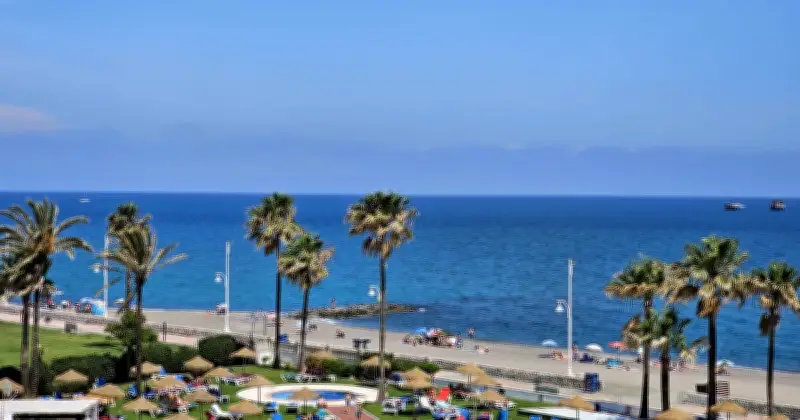
Brits holidaying in Malaga over the weekend were left disappointed as six of its beaches were closed due to high levels of E. coli being detected. While the beaches have since reopened, these closures are becoming a regular occurrence in parts of Spain.
Malaga closed the beaches after a storm and heavy rainfall saw its pipe systems overwhelmed, discharging backed-up contaminated water into the sea. And while the Spanish authorities will put red flags up in areas where it’s not safe to swim, these aren’t always raised immediately, meaning holidaymakers can unwittingly take a dip in contaminated water.
Doctor warns of symptoms after swimming in contaminated water
Now, a doctor is warning Brits to look out for symptoms after swimming in the sea - not just in Spain but any seaside resort - as it could indicate that the water was less than clean.

Dr Asimah Hanif, a registered NHS GP who works with travel insurance provider Staysure, advises: “Beach closures following sewage contamination are an important reminder that the sea isn’t always as safe as it looks. If you’ve been swimming in affected water, it’s worth paying attention to any changes in your skin or how you feel over the following few days.”
She warned Brits who’d been in the sea to look out for symptoms: “Skin reactions can include redness, itching, small bumps or blisters, and may appear within hours or over the next couple of days. If you develop a mild reaction, rinse the affected area thoroughly with clean, fresh water and use a gentle moisturiser.”
Gastrointestinal symptoms and when to seek medical advice
She warned: “increasing redness or swelling, pus, significant pain, fever or a wound that appears infected are signs you should seek medical advice promptly, rather than waiting until you return home.
“Contaminated water can also cause gastrointestinal illness if swallowed, with symptoms including diarrhoea, vomiting, stomach cramps and fever. These can develop in the days after exposure, so don’t dismiss them if you’ve recently been swimming somewhere where water quality has been called into question.
“Anyone with existing skin conditions, open cuts or a weakened immune system should take particular care around potentially contaminated water.”
Travel writer tips for beach safety
Sarah Rodrigues, a travel writer working with Avanti Travel Insurance, also gave some tips: “My advice would be to check the flag colour and the local council’s website before heading to the beach, rather than relying on what you saw the day before.”
She added: “For anyone currently in Malaga, the advice is straightforward: don’t assume a beach is safe just because it was open when you arrived, but don’t assume it’s closed for good, either. A quick check online each morning takes seconds and can save a wasted trip to the seafront.
“It's also worth checking what your travel insurance actually covers before you go, particularly if illnesses like E. coli disrupt your trip or you need to alter existing bookings. Having comprehensive travel insurance in place, taking simple precautions and a bit of research are all it takes to stay safe while enjoying your Spanish holiday.”
Symptoms to look out for after swimming in the sea include skin reactions such as redness, itching, small bumps and blisters, as well as gastrointestinal illnesses including diarrhoea, vomiting, stomach cramps and fever. If suffering from any of these issues after swimming in the sea, seek local medical advice.