
The Met Office has issued an amber warning for extreme heat on Thursday, as some parts of England could see temperatures of up to 38C.
The warning covers London and parts of the South East, East Midlands, East of England, West Midlands and South Yorkshire, and is in force from 9am to midnight on Thursday. Temperatures are expected to climb to 37C or 38C in some places.
The forecaster said that after a warm night, a spell of “very hot weather” will affect England on Thursday, with the highest temperatures in parts of the East, South East and Midlands. This could potentially affect transport, infrastructure and health.
Health alerts and safety advice
Amber health heat alerts are already in place for most of England, including the Midlands, South East, North West and South West. A yellow alert is in force for the North East from Tuesday morning until Friday evening.
Officials have urged people to take simple steps to stay safe, such as drinking plenty of water, checking on vulnerable friends and family, and avoiding the sun at the hottest part of the day.
Older people are more at risk from the extreme heat, according to Caroline Abrahams, Age UK’s charity director. She said that as people age, their bodies find it harder to adapt to extremes of heat and cold.
“Even younger and otherwise healthy people can feel the effects of very hot weather, but with temperatures forecast to reach up to 36°C in some areas, the risks can be much greater for older people,” she said.
She said most homes in the UK were not designed to cope with extreme heat, so it was important to keep them as cool as possible, keeping curtains and windows closed during the hottest part of the day and opening windows overnight when temperatures fall.
Drought and wildfires
She urged people to check in on older neighbours, friends and relatives to see if they need support such as picking up the shopping or lending them a fan.
She said: “The increasing frequency of heatwaves, alongside droughts, wildfires and hosepipe bans, shows how important it is that we do more to protect those most at risk as climate change continues to bring more extreme weather.”
Some places are facing their fifth heatwave in an extremely dry hot summer, as the UK battles with the growing spectre of worsening extreme weather fuelled by climate change, which is mostly driven by burning fossil fuels for power plants, vehicles, home heating and industry.
Record-breaking heatwaves in May and June led to the deaths of more than 2,800 people, while parts of the country were hit with further heatwaves last month as England and Wales endured their driest Julys since records began in 1836.
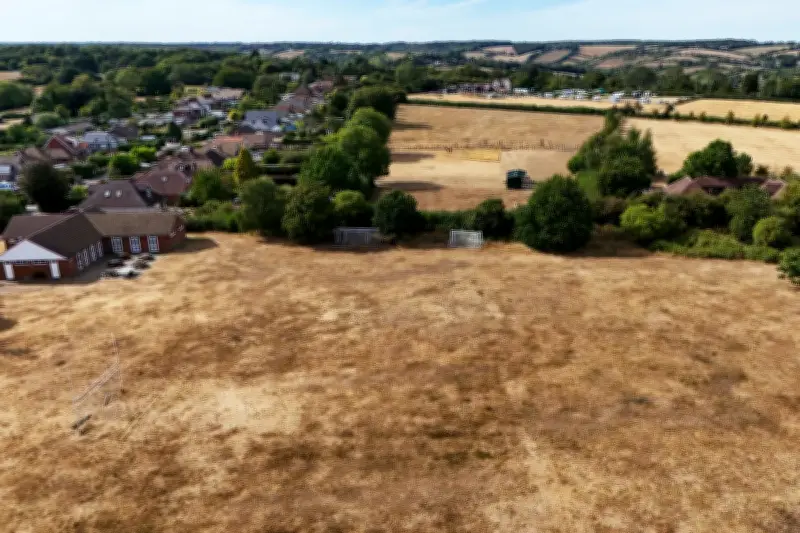
Almost three quarters of England and the whole of Wales are now in drought, with farmers struggling with a lack of water, 27 million customers under hosepipe bans, the risk of wildfires and the impact on nature.
The Environment Agency (EA) said 71.3% of England is experiencing “flash drought”, as a dry start to August followed the country’s driest July on record. Flash drought is one which develops very quickly because of a combination of very low rainfall and high temperatures.
The agency said the East Midlands, Lincolnshire and Northamptonshire, Kent and East Sussex, and Solent and the South Downs became the latest areas to move into drought on Monday.
Firefighting efforts
Firefighters have been battling a series of fires across the UK, including one in the New Forest National Park, Hampshire.
Hampshire and Isle of Wight Fire and Rescue Service said on Tuesday that crews had worked through the night, battling a challenging change in wind direction, and were managing to contain the fire, which started after a van caught fire on the A31 near Ringwood on Sunday.
The area hit by the blaze is protected heathland and home to a number of rare species, according to the New Forest National Park Authority.
South Wales Fire and Rescue Service said on Monday night that crews were attending “multiple wildfire incidents”, including at Cwmavon Woods in Blaenavon, Wattsville in Sirhowy Valley and Abernant in Aberdare.




