
A 500-metre mega-tsunami generated by a massive landslide in Alaska in 2025 obliterated all life on an entire island and came perilously close to tourists, according to geologist Dr Bretwood Higman, who witnessed the aftermath. The wave, taller than the World Trade Centre, swept through Tracy Arm Fjord, stripping the landscape of vegetation and leaving it covered in shattered trees and rock.
Dr Higman, an Alaskan geologist, described the event as a close call. “We know that there were people that were very nearly in the wrong place,” he said. “I’m quite terrified that we’re not going to be so lucky in the future.” The only reason no deaths occurred was the timing: the wave struck during the early morning hours, when no tourist cruise vessels were in the vicinity.
Catastrophic Landslide Triggers Second-Highest Wave on Record
The disaster began when a section of an Alaskan mountain collapsed into the ocean, sending 64 million cubic metres of rock—equivalent in mass to 24 Great Pyramids of Egypt—crashing into the sea. The force created a wave 500 metres tall, making it the second-highest mega-tsunami ever recorded. The largest occurred in the 1950s and exceeded 500 metres.
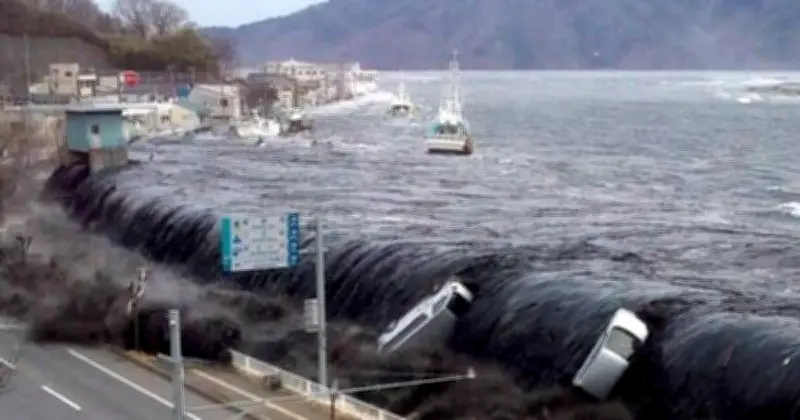
Mega-tsunamis typically occur when a landslide, triggered by seismic activity or unstable rock, strikes the water in a confined area like a fjord. Unlike open-ocean tsunamis, which can travel thousands of miles and devastate inhabited regions (as seen in Japan’s 2011 tsunami), mega-tsunamis often remain localised and dissipate quickly. However, this event’s proximity to a popular cruise destination raised alarm.
Glacial Retreat Increases Risk
Dr Stephen Hicks of University College London explained that the glacier had previously helped support the rock face. “When the ice retreated, it exposed the bottom of the cliff face, allowing that rock material to suddenly collapse into the fjord,” he told Science. The melting of glaciers, driven by climate change, is destabilising slopes across Alaska, making mega-tsunamis more frequent.
Dr Higman warned that these events are increasing significantly. “Maybe in the order of 10 times as frequent as they were just a few decades ago,” he said. “More people are now going to remote areas—often these tourist cruises are going to see the natural beauty of the area to actually learn more about climate change—but they are also dangerous places to be.”
Call for Enhanced Monitoring and Cruise Rerouting
Researchers are urging enhanced surveillance of at-risk locations across Alaska that could be susceptible to mega-tsunamis. Several cruise operators have confirmed they will cease dispatching vessels into Tracy Arm Fjord due to safety concerns. The incident serves as a stark reminder of the growing hazards posed by a warming climate.




