Judy Wearing, an author and editor, has spent decades studying hair. Her new book, Anxious and Hairy: The Evolution and Culture of Human Hair, explores the unexpected roles of our follicles, from social communication to health signals. Here are 20 fascinating facts she has uncovered.
From Reptilian Ancestors to Dead Cells
Hair, or fur, evolved about 245 million years ago with cynodonts, the warm-blooded reptilian ancestors of all mammals. Fossil evidence of the wolf-like Cynognathus suggests it had whiskers: super sensitive, tactile hairs that provide sensory input.
Hair growth is an evolutionary modification of the process by which reptiles grow scales. Both are made of keratin, the protein also found in cat claws and bird feathers. "You can think of hair as kind of long, thin scales," Wearing says.
Keratinocytes are generated from the base of the hair root, pushing older cells higher. As they pile up, dead keratin cells fuse into shafts, becoming visible as hair. Each follicle functions like a "mini organ," with its own growth and resting phases.
Why We Have Armpit Hair and Eyebrows
Underarm and body odour are "huge in our social communication," says Wearing. Armpit strands are stiffer, causing them to stick out and broadcast our chemical blend. Research suggests we can sniff out genetic differences, emotional states, and health.
Eyebrows evolved to protect our eyes and communicate social information. "When was the last time you remember flashing your eyebrows? We don't know we're doing it, but we're reading those signals all the time," she says. Botox, which prevents brow movement, impairs our ability to mimic others' emotional expressions, curbing empathy.
Baldness and Masculinity
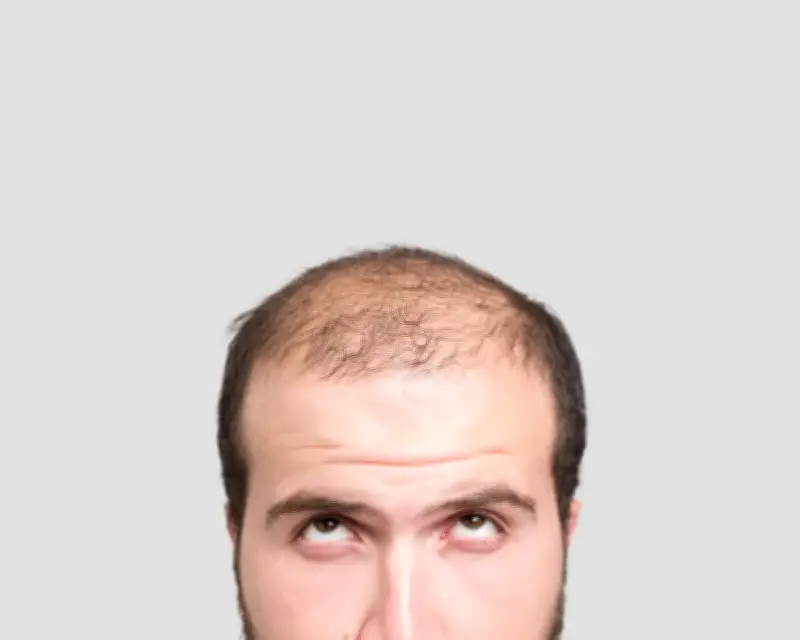
More than 70% of Caucasian men experience thinning on top, with 50% affected by age 40. Baldness is regulated by dihydrotestosterone, the same hormone that regulates male genitalia growth. "It's testosterone with a punch," says Wearing, "and about as male as it gets."
Beards, also regulated by testosterone, likely evolved to compete against sexual rivals and communicate dominance. They may even provide some protection to the jaw in a punch-up.
The Social Life of Hair
Hair styling dates back to the bronze age. The ancient Egyptians used wigs, curls, dyes, and extensions. In 14th century BCE Egypt, working-class remains show adornments, including one woman with 70 extensions and another who dyed her hair with henna.
Blond is consistently the most popular hair dye shade for women, associated with sexuality, femininity, and youth. The first humans had dark hair, but lighter shades evolved multiple times, possibly to permit more sunlight for vitamin D production.
Hair removal has a long history of oppression, from Nazi concentration camps to residential schools for Indigenous children. Conversely, shaving the head has been a way of demonstrating devotion, as with Buddhist and Jain monks.
On the purpose of pubic hair, Wearing's favoured theory is that it evolved to collect smells from sexual intercourse, acting as a "cheating detector." "It's really the only plausible idea, so far, that makes any sense," she says, though it remains unproven.
Anxious and Hairy: The Evolution and Culture of Human Hair by Judy Wearing is published on 8 October (Icon Books, £20).