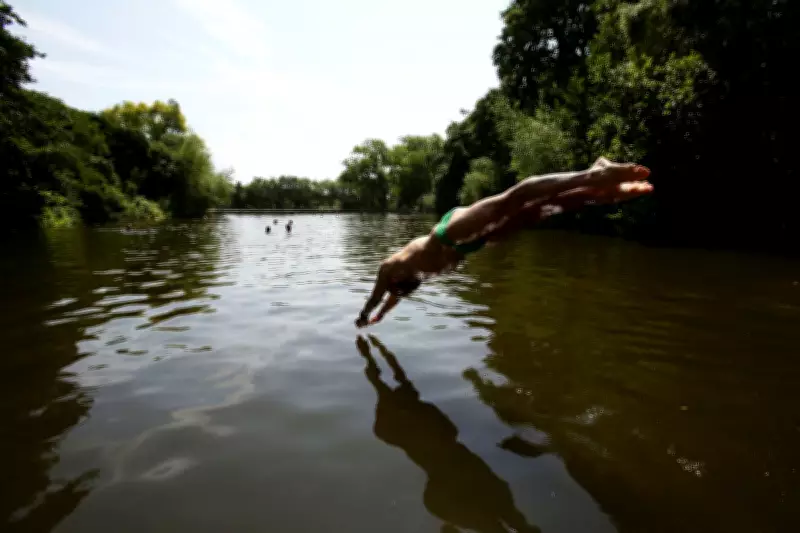
The UK government has announced the designation of six new river swimming locations as official bathing sites this summer, including the first on the River Thames in London. However, this expansion comes amid concerns over water quality, as 12 of the 14 existing river bathing sites were deemed unusable last year due to pollution from bacteria linked to human and animal faeces.
Pollution Concerns at Designated Sites
Signs advising the public to avoid swimming have been installed at the 12 polluted sites, leaving only two existing river locations meeting acceptable water quality standards. The situation highlights the ongoing battle against sewage spills and agricultural runoff affecting UK waterways.
Campaigners View Designation as a Tool
Environmental campaigners argue that official designation as bathing sites is an effective mechanism to compel water companies to reduce sewage discharges. Despite the irony of designating polluted rivers, they believe the legal obligations that come with such status will drive improvements.

The Water Minister welcomed the expansion, stating it will enable better monitoring and boost local tourism. However, water companies have warned that designating unsafe sites risks misleading the public into believing they are safe for swimming.
The new designations are part of a broader effort to improve water quality and public access to natural swimming spots, but the current state of many rivers underscores the challenges ahead.