Garden crops such as apples, garlic, carrot and beetroot will grow better if they experience low temperatures in winter, according to gardening experts. While little plant growth takes place during the colder months, important biological processes occur in the stillness.
A sustained cold period is essential for many plants to flower in spring, a process called vernalisation. Most fruit trees grown outdoors in the UK have a 'chill requirement'; for example, apple trees need between 700 and 1,000 hours below 6°C but above freezing. Plant breeders are developing varieties with lower chill requirements to allow cultivation in warmer climates.
Garlic also requires vernalisation, needing about eight weeks below 6°C to trigger clove development. Gardeners in mild areas can mimic this by storing seed garlic in a paper bag in the fridge. For biennial crops like carrots, beetroot and parsley, vernalisation is key to seed production, as they flower in their second season after winter cold.
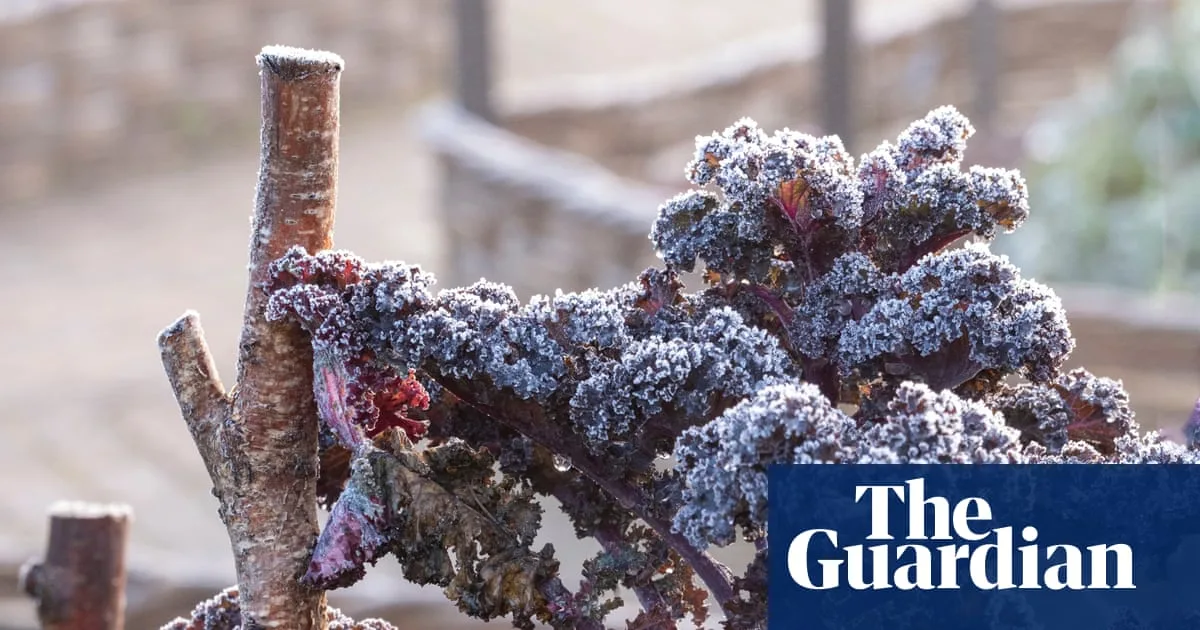
Additionally, some plants protect themselves from frost by breaking down starch into sugars, which resist cell damage. This process also enhances flavour, making cold-exposed vegetables like leeks, kale, and turnips more palatable.