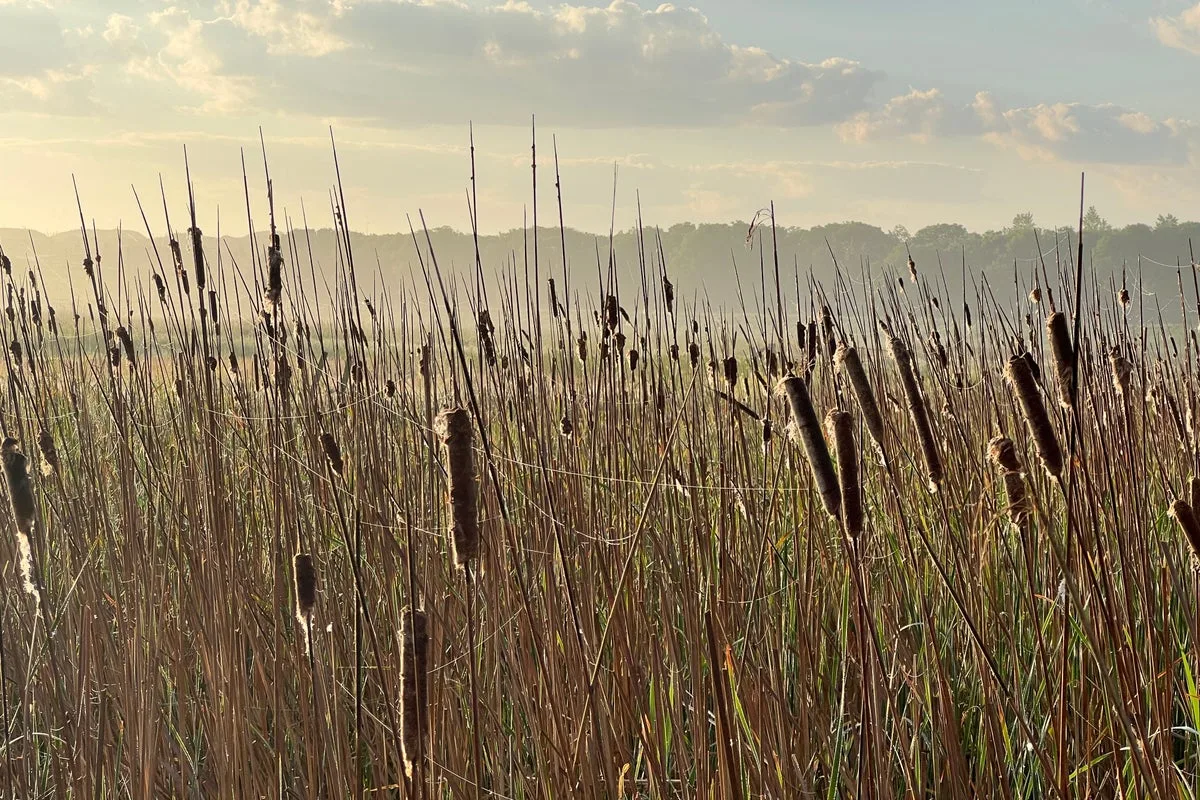
Wetland farming sites can support three times more birds than drained agricultural grassland, including rare species, according to a new study led by the RSPB and the University of Cambridge. The research, published in the journal Ecological Solutions and Evidence, surveyed birdlife on 10 paludiculture plots growing bulrush, nine nearby natural wetlands, and nine drained grazed grasslands in the Netherlands.
Bird numbers were three times higher on the wetland farming sites compared to grassland areas, and comparable to natural wetlands. Wetland specialists such as reed warbler, reed bunting, and sedge warbler were found using the bulrush for feeding and nesting. Some birds of conservation concern, including Eurasian oystercatchers, meadow pipits, and Eurasian coots, were also present.
The findings add to previous research showing that raising water levels on lowland peat for wet farming reduces carbon emissions and slows erosion. Dr Catherine Waite from the University of Cambridge said the evidence is key to informing land management decisions that balance environmental and human needs.
In the UK, 90% of lowland peat has been drained for agriculture since the 1600s, contributing 4% of the country's carbon emissions. Paludiculture trials are underway in Somerset and Cambridgeshire, with crops like bulrush and Sphagnum moss being explored for commercial use in insulation and as an alternative to peat compost.
Dr Joshua Copping, RSPB conservation scientist, noted that paludiculture could help deliver a just transition for farmers who wish to continue farming while contributing to a nature-rich landscape. The study suggests that timing cutting and harvesting to minimise impacts on the breeding season could provide more space for wetland bird species.