
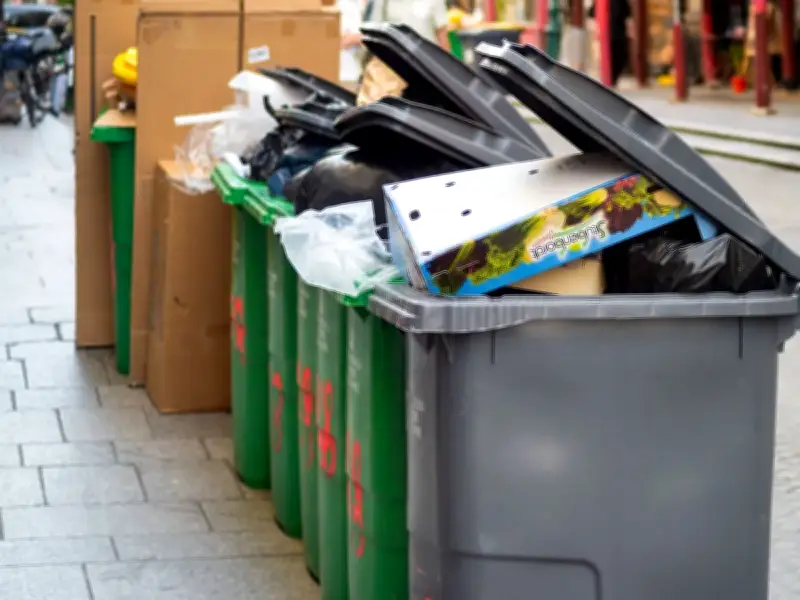
Millions of banana peels end up in household bins every year, but a waste expert says many homeowners are throwing away something that could be incredibly useful in the garden. Banana skins naturally break down and contain nutrients including potassium, phosphorus and calcium, making them a valuable addition to compost heaps rather than general waste.
Expert advice on banana peels
James Ward, waste expert at Wheeldon Brothers, is encouraging households with gardens to think twice before throwing banana peels in the bin.
He said: "If you have a garden, banana peels are one of the last things you should be throwing into your general waste bin. They're completely biodegradable and can become a fantastic source of nutrients when added to a compost heap. Instead of paying for compost or sending more waste to landfill, you're making use of something that would otherwise be thrown away."
Composting benefits and best practice
When composted properly, banana peels help create nutrient-rich compost that can be used around flower beds, vegetable patches and potted plants. As they break down, they contribute valuable organic matter that improves soil structure and helps retain moisture. While some gardeners bury banana peels directly in the soil, James said that composting them first was usually the better option.
He explained: "Throwing whole banana peels straight into flower beds can sometimes attract unwanted pests before they've had a chance to decompose. Adding them to a compost bin or heap allows them to break down properly alongside other garden and kitchen waste."
What else can go in your compost bin?
Alongside banana peels, households can also compost:
- Fruit and vegetable scraps
- Tea bags (where compostable)
- Coffee grounds
- Eggshells
- Grass cuttings
- Leaves
- Prunings from plants
- Cardboard and shredded paper that hasn't been heavily printed
Not everything belongs in compost. Avoid adding cooked food, meat, fish, dairy products or oily foods, as these can attract vermin and create unpleasant odours.
James added: "Composting is one of the easiest ways to reduce the amount of household waste you produce while creating something genuinely useful for your garden. It's a simple habit that benefits both your plants and the environment, and over time it can significantly reduce the amount of food waste ending up in your general bin."




