Cutting down on salty foods is the single most damaging food group to tackle first when trying to lower high blood pressure, according to dietitians, health officials and heart charities.
Hypertension is a serious medical condition that can trigger life-threatening illnesses such as heart attacks and strokes. It can also heighten your chances of developing serious conditions including kidney disease and vascular dementia.
Despite its potentially devastating consequences, high blood pressure produces very few warning signs in its early stages, meaning you could be suffering from it without even knowing. Certain risk factors are simply beyond your control, as they relate to your age, ethnicity and family history. However, there are several factors that are very much within your power to manage.
What is high blood pressure?
High blood pressure occurs when the force of blood pressing against blood vessel walls becomes excessive. When blood pressure remains elevated for prolonged periods, it can harm the vessel walls, creating tears. The body responds by dispatching specialised cells to adhere to these damaged areas, explains the American Heart Association. Gradually, materials including cholesterol and fats may accumulate at these compromised sites.
As this build-up progresses, the arterial passages narrow, obstructing blood flow and forcing the heart to work harder, which further elevates blood pressure and may potentially trigger heart failure, heart attack, stroke or even kidney failure.
Symptoms and causes
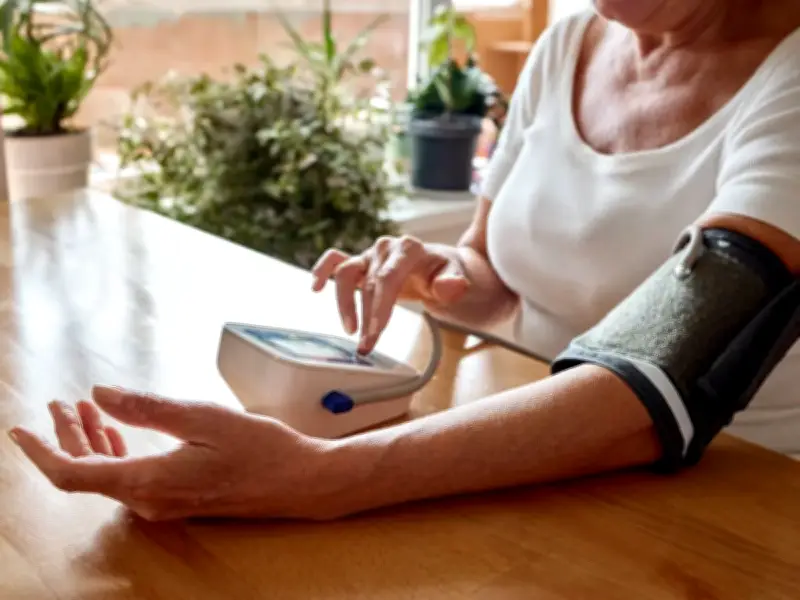
High blood pressure typically presents no symptoms, meaning numerous people have the condition without knowing it. The sole reliable method to determine whether you have high blood pressure is to have it measured, normally at your GP surgery or pharmacy, where a cuff is wrapped around your upper arm and inflated until it feels tight. Nevertheless, high blood pressure can occasionally produce noticeable symptoms, though this is rare. These include headaches, chest pain, shortness of breath, nose bleeds, and blurred vision (or even loss of vision).
Numerous factors can contribute to high blood pressure. The primary ones include having a healthy, balanced diet that includes plenty of fruits, vegetables and whole grains; not eating too much salt — avoiding salty food (lots of ultra-processed food is high in salt) or adding too much salt to your meals; exercising regularly — aiming to do at least 150 minutes of exercise a week; losing weight if you're overweight; not drinking too much alcohol — avoiding drinking more than 14 alcohol units a week on a regular basis; not drinking too much caffeine; and not smoking.
How you can help lower blood pressure
A doctor can prescribe medication for high blood pressure. Healthy lifestyle modifications can also help reduce your blood pressure, according to the NHS. Essential steps you can take include having a healthy, balanced diet that includes plenty of fruits, vegetables and whole grains; not eating too much salt — avoiding salty food (lots of ultra-processed food is high in salt) or adding too much salt to your meals; exercising regularly — aiming to do at least 150 minutes of exercise a week; losing weight if you're overweight; not drinking too much alcohol — avoiding drinking more than 14 alcohol units a week on a regular basis; not drinking too much caffeine; and not smoking.
One particular eating plan can help prevent or manage high blood pressure. The DASH diet stands for Dietary Approaches to Stop Hypertension and was purposefully created with blood pressure control in mind. It promotes a higher intake of fibre and vital minerals such as calcium, potassium, and magnesium. Simultaneously, it seeks to cut sodium and unhealthy fats from one's eating habits. It has been dubbed the world's "second healthiest diet".
Which foods are bad for blood pressure?
You will be able to find lots of lists of foods that are bad for your blood pressure. But the one type of food that most experts list first is salty foods. Most of the salt we eat comes already in our food, says the British Heart Foundation, even in things we don't think of as salty, like breakfast cereals. Ultra-processed foods, like salty snacks and supermarket-ready pizzas, are also high in salt. Another food high in salt is processed meat, which is known to be cancer-causing.
Additional foods that can prove detrimental to blood pressure include sugary and fatty options. While these don't directly impact blood pressure, they tend to be calorie-dense — consuming too much can trigger weight gain, which is closely associated with elevated blood pressure. Alcohol is equally damaging to blood pressure and, for certain individuals, so is excessive caffeine consumption. The BHF suggests that a moderate intake of 4-5 cups of coffee daily shouldn't pose a problem for most people, though some individuals are particularly sensitive to caffeine, and overindulging may have an adverse effect on blood pressure.
Here's a more detailed list of foods that can be bad for your blood pressure: salty foods (like pizza, burgers, processed meats); sugary foods (like pre-made processed desserts, granola bars, cereals, fizzy drinks, fruit juices and energy drinks); red meat (like beef, lamb and venison); alcohol; saturated fats (like pre-made desserts, processed meats like sausages and bacon, cooking fats like butter); and ultra-processed foods.
The World Health Organisation defines processed meat as "meat that has been transformed through salting, curing, fermentation, smoking, or other processes to enhance flavour or improve preservation". It states that the majority of processed meats contain pork or beef, though they may also include other red meats, poultry, offal, or meat by-products such as blood, and provides the following examples of processed meat: hot dogs (frankfurters), ham, sausages, corned beef, biltong or beef jerky, canned meat, and meat-based preparations and sauces.