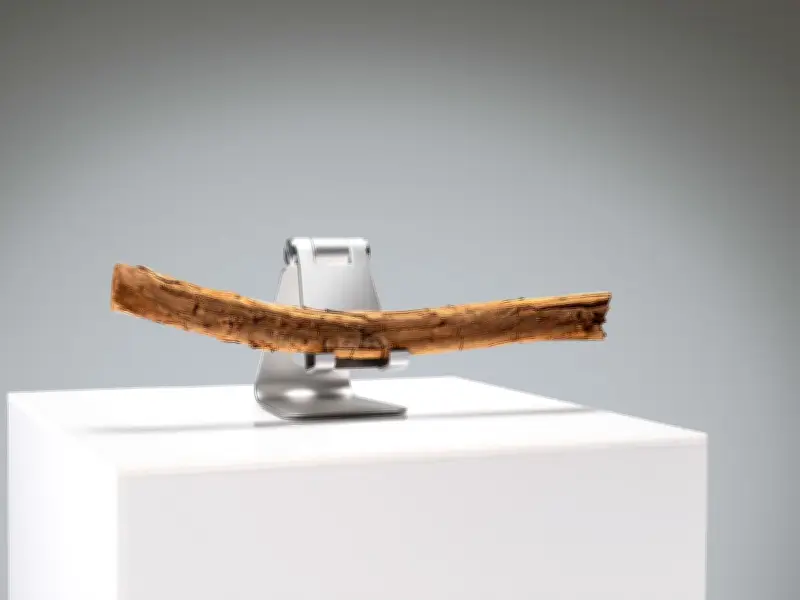
Vodafone, in partnership with the UK’s National Parks, today unveiled 'The Stick' in a new campaign celebrating the original multi-purpose device which children have played with throughout history. The aim is to encourage families to swap screen time for green time, and enjoy being outside during the long summer holidays.
Campaign details and research
The campaign includes a “Stick-tionary”, dubbed the ultimate guide to enjoying nature’s very own smart device. It is packed with ideas to encourage curiosity and adventure, plus tips on how technology can support learning and connection outside.
New research by Vodafone found that 94% of parents want to spend more time outdoors with their families this summer, with 55% saying nature trips make up some of their happiest memories. But it’s not about ditching devices completely, in fact 51% of parents use them to encourage children to spend time outside with many looking up answers to questions about nature, insects and birds.
Expert and executive comments
Gavin Capstick, CEO, Lake District National Parks, said: “Some of the best outdoor adventures start with the simplest things. A stick can become almost anything a child wants it to be, and that's exactly why it's such a powerful tool for imagination and play. National Parks are places where families can spend time together, build confidence, connect with and learn more about nature, and create lasting memories.”
Nicki Lyons, chief corporate affairs and sustainability officer, VodafoneThree, said: “Helping people build healthy digital habits has long been a priority for us. We’re excited to see families using technology in purposeful ways to swap screen time for green time - sparking curiosity, building confidence and encouraging more time outdoors.”
Survey findings and child psychology
The survey also found 83% feel safer knowing they can stay connected in an emergency, while 81% of children agreed it's important to strike a healthy balance between screen time and outdoor play. Around half of children surveyed said being outdoors made them feel happy - and that playing outside with family and friends ranked top of their favourite ways to pass time.
Helen Dodd, professor of child psychology, Exeter Medical School said: “When children have the opportunity to direct their own play, they’re doing much more than simply keeping themselves entertained. These everyday moments, like playing outdoors and re-imagining the use of a stick, help children build independence and resilience, while giving them the freedom to engage with the world in ways that feel meaningful and enjoyable to them.”
Tips for app-venturing this summer
Professor Helen Dodd’s top tips include: Make it an adventure - framing a walk as an ‘expedition’ can generate enthusiasm; Let the kids lead - giving children autonomy builds confidence; Make space for play - adventurous play supports good mental health; Build a connection with nature - noticing sights, sounds and smells; and Map out the day - clear expectations reduce anxiety.