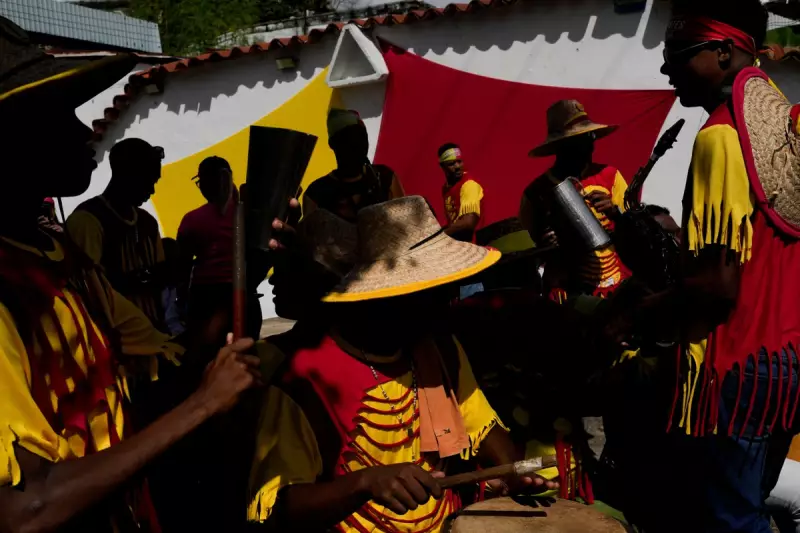
Hundreds of people filled the streets of a northern Venezuelan town this weekend, taking part in a vibrant and historic cultural celebration. The event showcased a unique blend of religious observance and community heritage.
A Centuries-Old Tradition Rooted in Local History
The festivities took place on Sunday 28 December 2025 in the town of Caucagua, located in northern Venezuela. This annual celebration, known as the Bandos and Parrandas of the Holy Innocents of Caucagua, has deep historical roots. It was originally started centuries ago by Afro-descended communities dedicated to cacao cultivation in the region.
The event coincides with the Catholic feast day of the Holy Innocents. This day commemorates the biblical story of the massacre of young children in Bethlehem, ordered by King Herod the Great in his attempt to kill the infant Jesus.

A Fusion of Faith and Cultural Identity
While the date is shared with the solemn Catholic feast, the local manifestation in Caucagua has evolved into a distinctive cultural expression. The Bandos and Parrandas represent a fusion where religious tradition intertwines with the specific history and identity of the local Afro-Venezuelan population.
The celebration is a powerful testament to how communities adapt and enrich religious observances with their own narratives and historical experiences, particularly those linked to the land and agriculture, like cacao farming.
Preserving Heritage Through Public Celebration
The sight of hundreds of participants taking to the streets underscores the event's ongoing significance. It acts as a living archive, preserving intangible cultural heritage passed down through generations. In a contemporary context, such festivals play a crucial role in maintaining community bonds and educating younger generations about their unique ancestry.
The curated photographs from the event, provided by Associated Press photo editors, capture the colour, energy, and communal spirit of the day. They offer a window into a tradition that continues to thrive, connecting the present-day community with its historical origins in the cacao-growing heartlands of Venezuela.