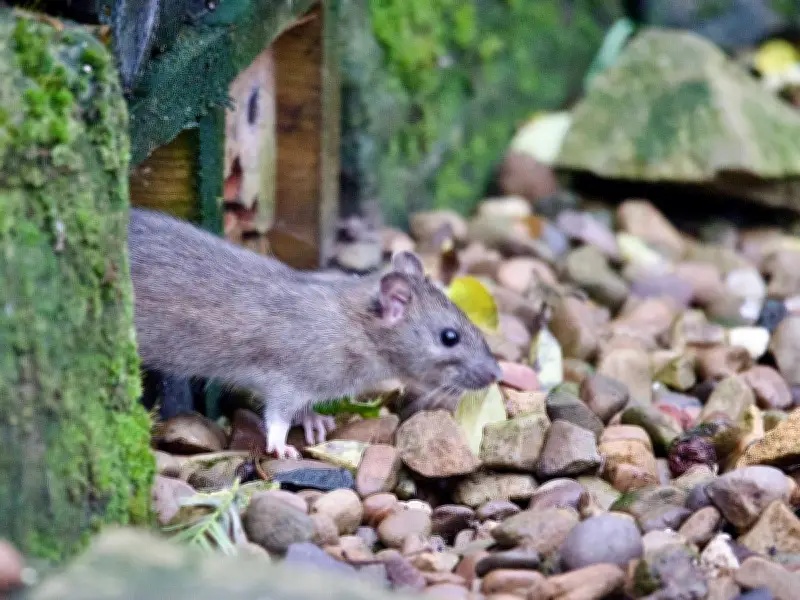
Pest control experts are urging homeowners to remain vigilant for increased rat activity in gardens, sheds, and outdoor spaces this summer, suggesting that one household item—peppermint oil—can act as a natural deterrent. As temperatures rise, rodents become more active, seeking food in wheelie bins, bird feeders, and compost heaps, particularly in built-up neighbourhoods.
Peppermint Oil as a Natural Repellent
According to pest control professionals, rats are repelled by the pungent aroma of peppermint oil. Some homeowners deploy it as an organic repellent around access points and exterior spaces. John Whiteley Wilkinson from Acorn Environment Services emphasised that while natural repellents may help reduce activity, prevention remains the most critical measure. He stated: "Strong smells such as peppermint can sometimes help discourage rats from lingering in certain areas, but homeowners should focus primarily on removing anything that attracts them in the first place."
How to Apply Peppermint Oil
Specialists advise saturating cotton wool balls in peppermint oil and positioning them near sheds, bin storage areas, garden decking, entry points around pipes, garages, and outbuildings. This method can help create an unwelcoming environment for rodents.
Preventive Measures
Householders are also urged to keep outdoor bins tightly sealed, avoid leaving pet food outside overnight, clean underneath bird feeders regularly, trim overgrown vegetation, and block holes and gaps around properties. Wilkinson cautioned: "People often underestimate how quickly rats can settle near a property if food and hiding places are available. Even small amounts of waste food or cluttered outdoor areas can encourage activity."
Signs of Rat Infestation
Specialists note that typical indicators of rat presence include droppings, scratching noises, gnaw marks, burrows near sheds or fences, and damaged bin bags. While peppermint oil and other potent fragrances may assist as part of broader preventive strategies, ongoing infestations should always receive professional evaluation. "If homeowners notice repeated signs of rat activity, it's important to deal with the issue early before populations increase," Wilkinson added.