UK Takes Historic Step with First Bird Flu Vaccine Trial for Turkeys
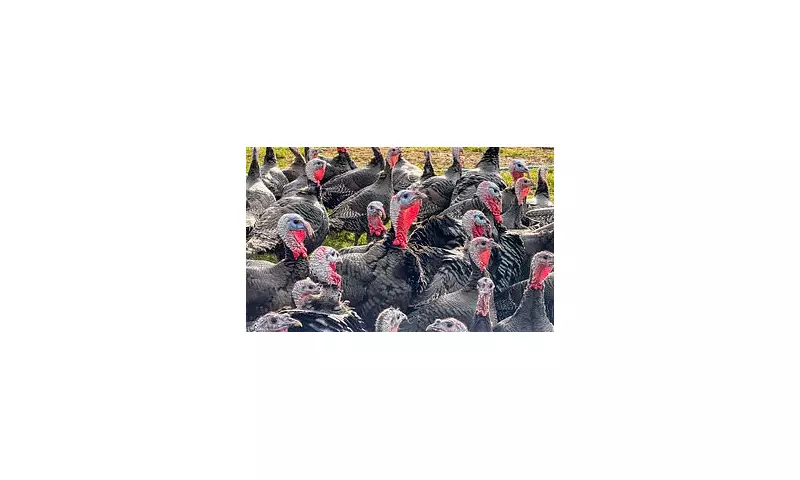
In a groundbreaking move to combat a severe surge in bird flu cases, the UK is set to vaccinate turkeys for the first time in a new trial. This initiative comes as poultry farmers face immense pressure ahead of the crucial Christmas season, with experts hoping the vaccination programme will help stave off a potential epidemic.
Surge in Cases Leads to Major Culls
The decision follows 57 recent confirmed cases of avian influenza on farms in Wales alone. This alarming spike has already resulted in the culling of thousands of turkeys and chickens to prevent further spread. Industry estimates suggest that approximately five per cent of the seasonal flock—amounting to around 300,000 turkeys, ducks, and chickens—have been destroyed so far.
This has direct consequences for consumers, as poultry supplies are likely to be restricted in the lead-up to the festive period. Organic and free-range birds, which are more susceptible to catching the virus, are expected to be particularly affected.

Chief Veterinary Officer Confirms Trial Details
Dr Christine Middlemiss, the UK’s Chief Veterinary Officer, officially confirmed the trial would proceed to determine if a vaccine can effectively prevent bird flu. She highlighted that the sector has endured a spate of bird flu cases over the last five years, causing significant disruption for the industry.
"We have worked with industry to understand the positives and negatives of vaccination," Dr Middlemiss stated. "A joint task force issued a report this summer which recommended trialling vaccination in turkeys, and we are now looking to take this forward."
She explained to the BBC that turkeys were chosen for the trial because the virus consistently strikes ‘during our seasonal turkey production’. Describing turkeys as an ‘important sector’, she emphasised the need to understand both the effectiveness and the duration of the vaccine's protection.
International Collaboration and Human Risk Assessment
The UK is not undertaking this challenge alone. Dr Middlemiss confirmed that officials are working with international partners, including France, where a vaccination programme for ducks has been in place for a couple of years. The French experience has shown that the vaccine can ‘dampen down the virus but it does not stop it’, with six recent cases still occurring in vaccinated ducks.
While speaking on Radio 4’s Today programme, Dr Middlemiss sought to downplay immediate concerns about the virus transferring to humans. However, she issued a clear warning: ‘Our absolute number one priority is stopping it passing to other birds and mammals and potentially to people.’
She reiterated that while human health colleagues assess the risk as very low, there is a potential danger from ongoing contact with sick birds. The public is strongly advised not to handle any sick or dead birds they may find.