Pharmacists at Chemist4U have issued a warning that horsefly bites, which thrive in warm, sunny conditions, can cause more severe reactions than many people realise. In addition to intense pain, swelling, and itching, some sufferers report feeling generally unwell with fatigue, aches, and flu-like symptoms.
Why horsefly bites are different
Ian Budd, Lead Prescribing Pharmacist at Chemist4U, explained that unlike mosquitoes, which pierce the skin, horseflies cut into it with scissor-like mouthparts to feed. This creates a deeper wound that is immediately painful, takes longer to heal, and carries a greater risk of infection if scratched or not cared for properly.
“While most insect bites are little more than an irritation, horsefly bites can be a different story, often causing more pain, swelling, and inflammation than people expect,” Budd said.
Symptoms to watch for
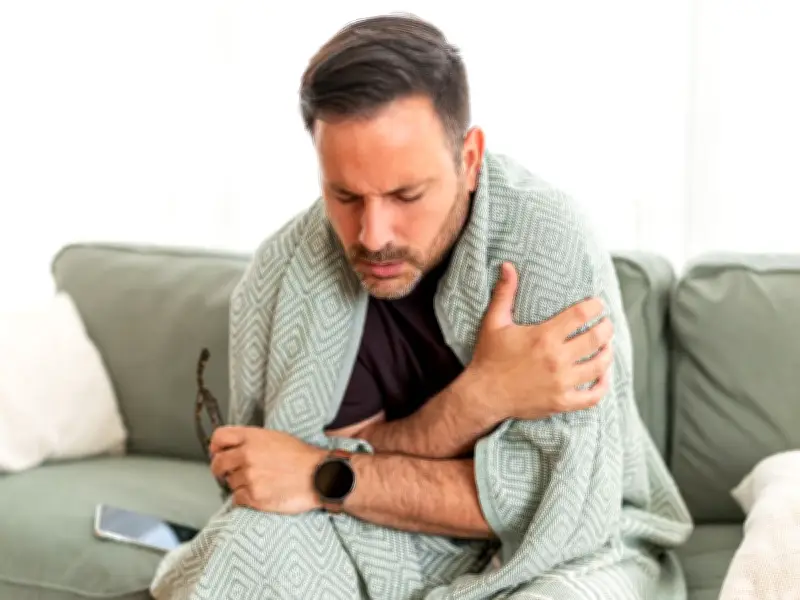
Budd noted that feeling generally unwell after a bite—such as aches, fatigue, swollen glands, or flu-like symptoms—is typically the immune system reacting. However, it can also signal an infection, especially if accompanied by spreading redness, increasing pain, heat around the bite, or discharge from the wound.
“This is usually your body trying to tell you something isn’t right,” he said, urging people to see a GP if such symptoms develop.
Managing horsefly bites at home
Most horsefly bites improve within a week and can be managed at home. Budd recommends:
- Cool the area with a cold compress or ice pack for about 20 minutes to reduce swelling.
- Use antihistamine tablets if itching develops, to reduce the urge to scratch.
- Take paracetamol or ibuprofen for pain relief if suitable.
- Avoid scratching, as it damages skin and increases infection risk.
When to see a GP
Budd advises seeking medical advice if redness spreads, pain worsens, the bite feels warm, or glands swell. Developing a temperature, aches, fatigue, or feeling generally unwell after a bite also warrants a GP or pharmacist consultation.
“While horsefly bites can be particularly painful and sometimes cause significant swelling, most people recover without complications,” he added. “The key is keeping the bite clean, avoiding scratching, and seeking advice if symptoms appear to be getting worse rather than better.”
Preventing horsefly bites
To reduce the risk of bites, wear light-coloured, loose clothing, as horseflies are attracted to dark, moving objects. Apply insect repellents containing DEET or Picaridin when near water, wooded areas, or tall grass, and stay indoors during peak activity times.