Farmers in England have reported that crops are already failing due to drought conditions this spring, raising fears of a pea shortage. The Environment Agency has recommended rationing water as the UK experiences its driest start to spring in 69 years.
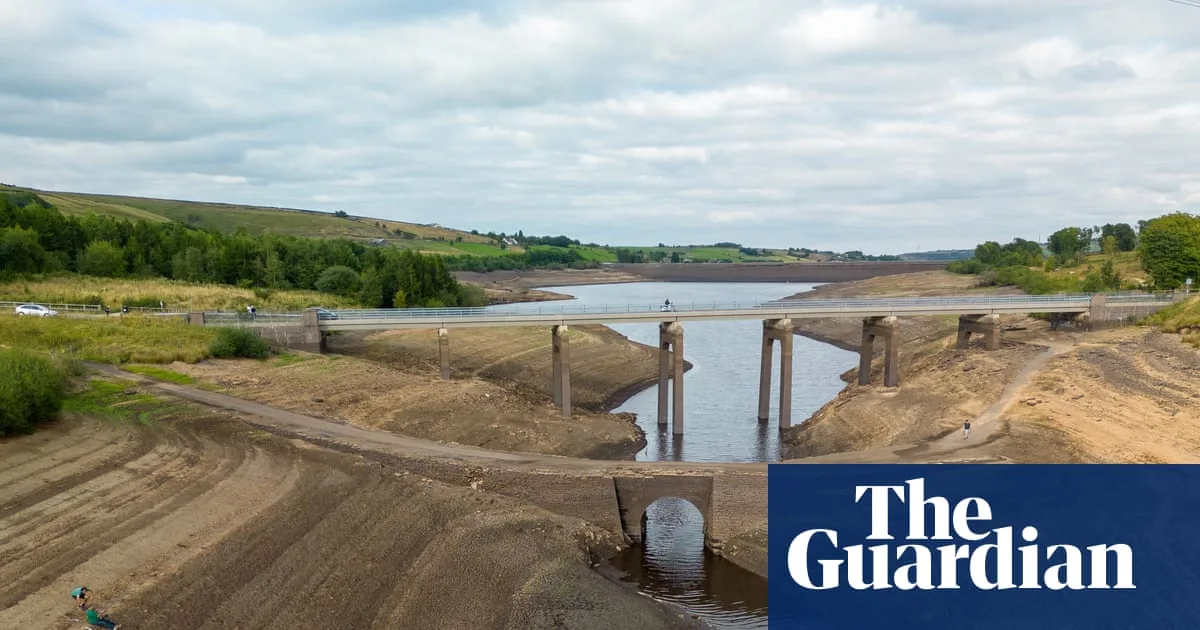
Members of the National Drought Group (NDG), who met on Wednesday, warned that water companies are “woefully underprepared” for drought and that the plan for many is “simply praying for rain”. England saw its driest March since 1961 and received only half its normal rainfall in April. Reservoir levels are notably or exceptionally low across the north-east and north-west of England.
According to the National Farmers’ Union (NFU), some crops are already failing, and significant rainfall in early May will be essential to avoid further losses. Livestock yields could also be at risk, as grazing is not yet short but fields will need rain to sustain animals through summer. NFU deputy president David Exwood said: “The dry conditions and lack of any substantial rainfall has meant farmers in some parts of the country have started to irrigate crops much earlier than normal.”
The last severe drought in 2022 caused crop failures and brought London and the south-east close to emergency water measures. Experts at the NDG noted that current conditions are similar to those in 2022, but reservoir levels are even lower now, at 84% of total capacity compared to 90% at the same time in 2022. Northern water companies are already extracting from rivers months earlier than usual, and river flows are exceptionally low, with mass fish deaths reported.
Stuart Singleton-White of the Angling Trust warned: “If the summer remains as dry as this spring, the driest spring since 1976, then we’re all going to pay the price for the complacency of water companies.” He cited a lack of new reservoirs since privatisation, high leakage rates, and poor preparation for climate change. Richard Thompson, Environment Agency deputy director of water, said: “The last two years were some of the wettest on record, but drier conditions this year mean a drought is a possibility and we need to be prepared.”