
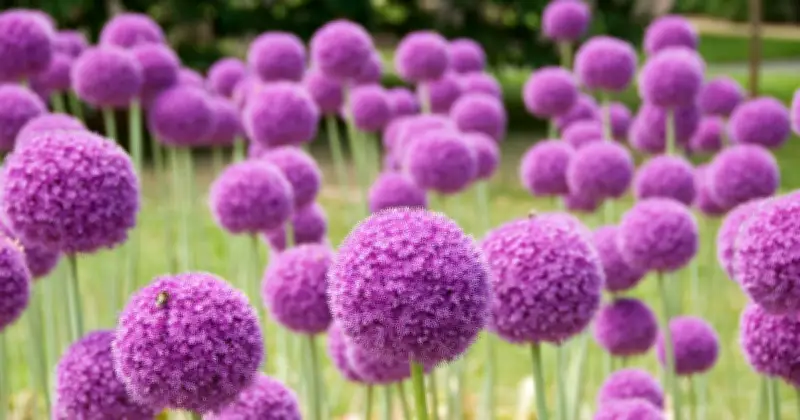
Colour is often the first thing people notice in a garden, but texture is what gives a border depth. In June, when plants are growing strongly and the garden is filling out, it becomes much easier to see where the border feels flat, busy, or unfinished. Texture is the difference between soft and bold, glossy and matte, fine and architectural. Get that balance right, and the garden looks interesting even when fewer plants are in flower.
Mixing Leaf Shapes
Foliage is key, doing a lot of the hard work. Large, bold foliage gives weight and structure, whilst fine leaves offer softness and movement. Try pairing hostas, bergenias, or fatsia with lighter plants like fennel, grasses, or gaura. The contrast ends up complementing all plants. In shade, hostas and ferns are excellent partners. In the sun, stachys brings soft silver leaves, while lavender and artemisia add a finer texture. These plants aren't just fillers; they help to hold the border together.
Use Flowers for Texture Too
Flowers have texture as well as colour. Consider the difference between upright salvia spires versus the flat landing pads of achillea, and the round heads of alliums contrasted with frothy alchemilla flowers. Each brings a different shape to the border. For example, if every plant were daisy-shaped, the planting could feel repetitive. Mix flower forms instead. Salvia or foxgloves can bring height, scabious brings a soft, open feel, and alliums bring strong dots of structure. Hydrangeas provide generous, round heads later in the season.
Bring in Movement and Softness
Texture isn't just about how plants look when static, but also about how they move. Grasses like Stipa tenuissima, Deschampsia, and Hakonechloa catch the light and shift in the breeze. They're especially useful beside paths or seating areas, where you can enjoy the movement up close. Airy plants like Verbena bonariensis, gaura, and bronze fennel can also stop a border from feeling too heavy. They let you see through the planting, adding depth without making the space feel crowded.
Textured Containers
Texture works just as well in pots. A good container needs more than flowers. Use an upright plant for height, something rounded for fullness, and a trailing plant to soften the edges. For sunny spots, try pelargoniums with stachys and trailing thyme. For shade, use ferns, heuchera and ivy.
Maintaining Balance
The best textured planting has contrast without chaos. Choose a few strong textures and repeat them throughout the garden. That way, your borders feel full, calm, and connected, with interest lasting long after individual flowers fade.
Focus Plant - Lavender
Lavender is one of the great plants of summer, bringing scent, colour, and wildlife value in one neat shrub. By late June, English lavender is beginning to flower well, making it useful for edging paths, filling sunny borders, or softening pots near a seating area.
English lavender, Lavandula angustifolia, is the hardier choice for UK gardens. Varieties like 'Hidcote' and 'Munstead' are compact, fragrant and excellent for low hedging. They're also loved by bees, especially when planted in sunny, open positions. Lavandin types, like Lavandula x intermedia 'Grosso', are larger and often strongly scented, so they suit bigger borders.
French lavender, Lavandula stoechas, has distinctive tufted flowers, sometimes called 'ears'. It can flower over a long season and looks wonderful in pots, but it's less hardy than English lavender, so it's best in a warm, sheltered spot with sharp drainage.
All lavenders need sun and free-draining soil. If your ground is heavy, grow them in containers or improve drainage with grit. Avoid overwatering and rich feeding, as too much kindness can make plants soft and short-lived. After flowering, trim lightly to keep plants compact, but don't cut into old, woody stems, as they may not regrow well.
Gardening Jobs
- Dampen greenhouse paths on hot mornings to raise humidity and reduce heat stress. Wet the hard surfaces rather than soaking plants, and keep vents open for airflow. On very hot days, dampening down may need repeating as surfaces dry.
- Use the gaps between young winter brassicas for quick catch crops, provided they will not crowd the main plants. Loose-leaf lettuce, salad onions and coriander can make good use of space, but harvest them before brassicas need the room.
- Pinch out chrysanthemum tips once young plants are about 20cm tall. Nip out the growing point just above a pair of leaves with your fingers or secateurs. This encourages side shoots, giving bushier plants and more autumn flowers.
- Check plum and cherry leaves for shothole symptoms. Small brown spots can fall out, leaving neat holes in the foliage. This may be linked to bacterial canker on Prunus, so also look for sunken bark, dieback or gummy patches.
- Pinch out the growing tip of outdoor melons once young plants have five leaves. This encourages side shoots, which will carry the flowers and fruit. Keep the strongest shoots, remove weak extras, and give plants warmth, water and support.
Did You Know?
Modern pyracanthas have softened firethorn's reputation. 'Orange Star' has been described as the first thornless pyracantha, unusual for a shrub normally known for sharp stems, spring flowers and bright autumn berries.
Some hydrangeas can change colour according to the soil. In acidic conditions, certain mophead and lacecap types tend towards blue, while alkaline soil encourages pink. White varieties usually stay white.
Miscanthus is more than an ornamental grass. The same tall, elegant plant used for movement in borders is also grown commercially as biomass for heat and electricity.
Elder has a rich place in folklore. It was once regarded as one of the most magically powerful plants, with old beliefs claiming it could charm away warts and vermin.




