Donald Trump on Friday signed a proclamation to increase the United States' low-tariff imports of Argentine beef, a move that has drawn criticism from American cattle ranchers. The decision aims to lower costs for US consumers, but economists suggest the impact on prices will be minimal.
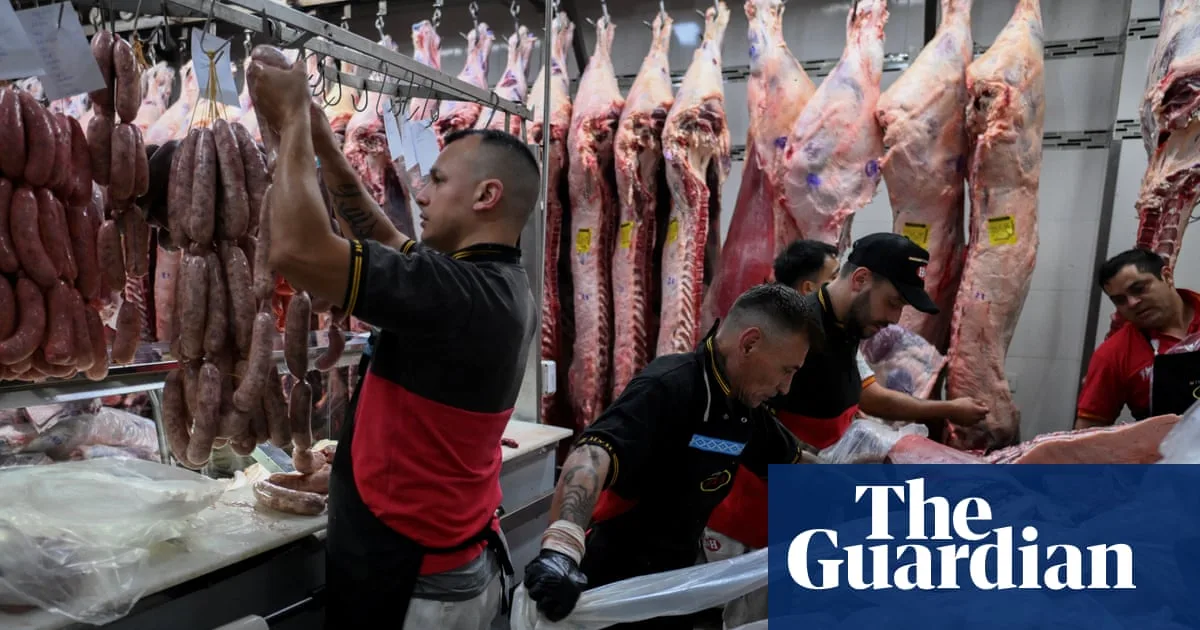
The proclamation raises the tariff rate quota on Argentine beef by 80,000 metric tons, allowing Argentina to export more beef to the US at a reduced duty. The increase applies only to lean beef trimmings, which are blended with domestic supplies to produce hamburger meat, according to the document.
US beef prices reached record highs last year, benefiting ranchers who largely supported Trump, due to strong consumer demand and declining cattle supplies. The nation's cattle herd fell to its lowest level in 75 years as of 1 January, following a persistent drought that damaged grazing pastures and increased feeding costs.
Republican Senator Deb Fischer of Nebraska, a major cattle-producing state, criticised the move. 'Instead of imports that sideline American ranchers, we should be focused on solutions that cut red tape, lower production costs, and support growing our cattle herd,' she said.
Economists argue that the increased imports will be too small to significantly lower costs for grocery shoppers, but could help improve margins for food companies. The US imported about 33,000 metric tons of Argentine beef in 2024, representing 2% of total imports, according to government data.
The proclamation follows a broader trade and investment agreement between Washington and Buenos Aires, which will grant preferential market access to US goods in Argentina.