Strawberries in the UK are now in season, offering consumers access to sweet, juicy fruit. However, these delicate berries are prone to becoming mushy and developing mould quickly if stored improperly. Their high water content makes them particularly susceptible to spoilage, and factors such as limited airflow and proximity to other foods can accelerate decay. While various storage methods exist to extend their shelf life, one expert has highlighted a simple rinse using a common household ingredient that can significantly improve their longevity.
Vinegar Wash: A Simple 60-Second Solution
Sophie Nahmad, lead recipe developer at meal kit company Gousto, recommends a quick vinegar wash to combat mould spores. “There’s nothing more frustrating than opening a punnet of strawberries only to find they’re already starting to spoil,” she said. “A quick vinegar wash takes less than a minute and can reduce mould spores that cause strawberries to deteriorate more quickly. It’s a simple trick that can help you get more from your strawberries, whether you’ve picked them yourself or bought them from the supermarket.”
Nahmad added that with Wimbledon season in full swing, many people are enjoying strawberries, making this tip especially timely. “It’s a great way to make sure your fruit stays fresher for longer and doesn’t end up going to waste,” she noted.

How to Perform the Vinegar Rinse
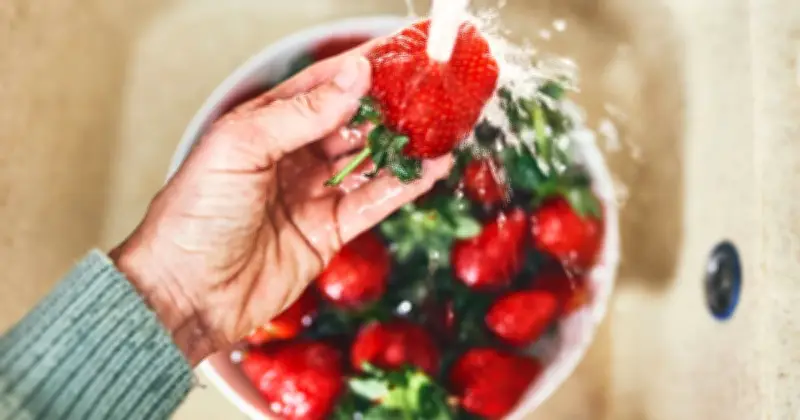
To execute this hack, fill a large bowl with a mixture of one part white vinegar to three parts water. Submerge the strawberries and gently swish them for 30 to 60 seconds. After draining, briefly rinse the fruit with fresh water. The most critical step is to pat the strawberries completely dry using kitchen paper or a clean tea towel, as any residual moisture can encourage mould growth.
White vinegar is affordable, typically costing as little as 80p per bottle in UK supermarkets, and can be used for various household tasks. This method also works for other berries and fruits, such as blueberries, helping them stay fresh longer.
Additional Storage Tips for Berries and Bananas
After the vinegar treatment, store the strawberries in the refrigerator in a container lined with kitchen paper to absorb any excess moisture. Bananas, another fruit prone to rapid browning, are among the most wasted foods in the UK. According to a food hygiene expert from High Speed Training, bananas should not be kept in a fruit bowl. “Anywhere too warm will speed up the ripening process, so avoid keeping them near ovens or warm appliances,” the expert advised. Separating bananas from the cluster can also help maintain their “prime freshness” for longer.