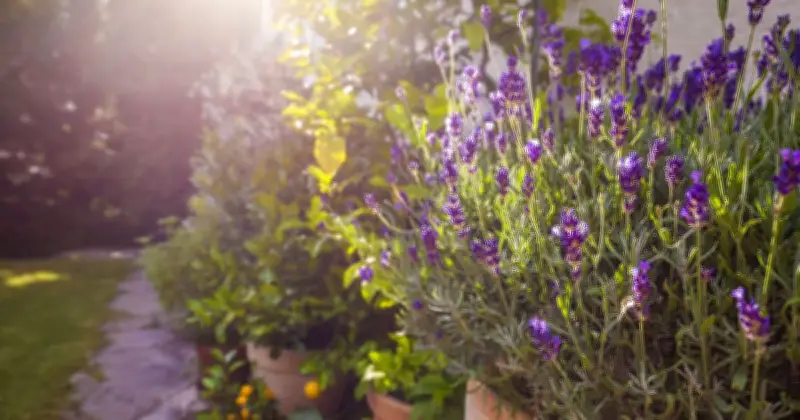
Lavender can become leggy and woody without proper care, but a timely summer prune can prevent this, according to gardening expert Ish. In a TikTok video, Ish explained that a quick snip now can save the plant from developing long, sparse stems with fewer leaves and flowers.
Why Lavender Becomes Leggy
A leggy lavender plant has long, woody stems with sparse foliage. This often results from poor or insufficient pruning. Gardeners' World warns: "Lavender can become very leggy, bearing few flowers. The reason for this is lack of, or poor, pruning. Many gardeners just deadhead hardy types, which also leads to leggy plants and not many flowers. Looked after in this way, the plant will be very short-lived."
The Early Summer Prune
Ish advises an early summer trim to keep lavender neat and encourage bushy growth. "If your lavender is looking a little on the leggy side or woody underneath, you're going to need to make sure you do this properly, otherwise you're going to end up with no lavender at all - and it's incredibly simple," he said. He recommends cutting just above the spent flowers, avoiding the woody part, as cutting into old wood risks no regrowth.
This small trim reduces weight on the stems and encourages the plant to "bush out" rather than grow tall and flop over. Ish demonstrated the technique on his TikTok channel, @gardening.with.ish.
The End-of-Summer Hard Prune
For a more substantial prune, wait until late summer (August to September). Ish explains: "You take the whole lavender plant, and only the green foliage, you cut about a third to half of it straight off. It feels really, really harsh, but as a result, next year you get these amazing blooms of flower and it is bushed out as opposed to getting tall so it's not falling all over the place."
After flowering, a heavy prune is essential. However, avoid cutting into old wood, as regrowth may not occur. The lavender will produce a few inches of new growth, which should be left to protect the plant over winter.
Planting and Care Tips
To maintain healthy lavender, plant it in full sun with free-draining soil. Occasional watering and rain usually suffice. Adding a healthy compost on top of the soil provides necessary nutrients. Proper pruning at the right times is key to preventing legginess and ensuring a long-lived, floriferous plant.