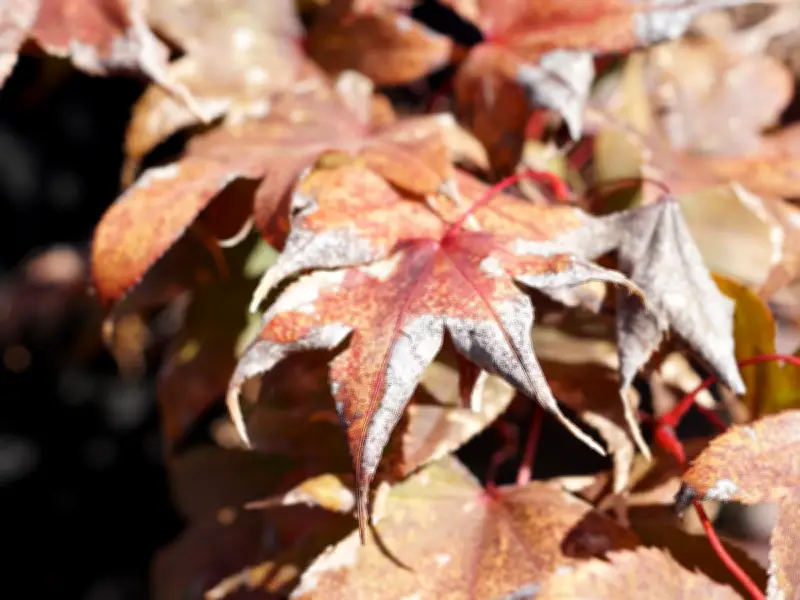
Japanese maples, known for their vibrant red leaves, can suffer from leaf scorch during summer heat, causing leaves to turn brown, crisp up, and drop off. In severe cases, this can lead to premature leaf drop and dieback of small branches. Once scorched, leaves won't grow back until the following year.
Gardening expert Michael Griffiths addressed the issue in a recent TikTok video, stating: "If the leaves on your acer are turning brown and crispy, it's not the end of the world. It's called scorch, but it is fixable. So here are three causes and how to fix them."
1. Too Much Direct Sunlight
Japanese maples prefer "dappled or partial" shade, according to Griffiths. Excessive heat and sunlight cause leaves to lose their red color and crisp up. For potted plants, move them to a spot where direct sunlight cannot reach. The Royal Horticultural Society (RHS) advises placing Japanese maples in a cool, lightly shaded position out of direct summer sun.

2. Drying Out
Griffiths explained: "Acers like moist but well-drained soil. They don't like sitting in the wet, but they hate drying out even more. Potted acers especially can dry out in summer, so keep them well watered and never dry." Consistent moisture is key, but avoid waterlogging.
3. Wind Exposure
Wind can strip moisture from leaves faster than roots can replace it, causing scorch. Griffiths noted: "A windy or exposed spot can strip the water from the leaves faster than the roots can replace it, and that is scorch too. That's exactly why acers struggle in coastal or exposed gardens, so give it some shelter." The RHS adds that strong cold winds also scorch leaves, so minimize wind exposure by placing plants near a fence or larger plant for protection.
The RHS recommends planting Japanese maples under the shelter of taller deciduous trees, in fertile, free-draining soil. With these three adjustments—shade, watering, and shelter—gardeners can prevent leaf scorch and keep their Japanese maples healthy through summer.