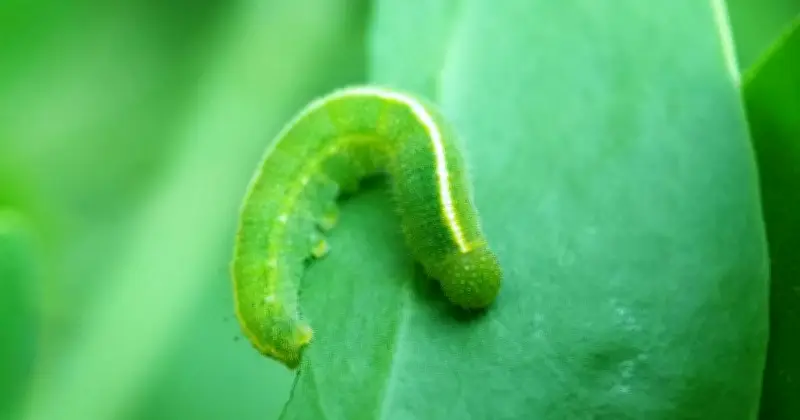
Caterpillars are among the most destructive garden pests, capable of stripping a hedge or box ball plant in under a week, leaving behind silvery webbing and dead foliage. Box tree caterpillars, in particular, have become increasingly common in the UK and are widely considered the most destructive pest in Britain, according to the RHS. Infestations are most active between April and October.
Recognising a Caterpillar Infestation
If you spot irregular missing sections in your plants’ leaves or find oblong, slow-moving bugs on the foliage, you likely have a caterpillar infestation. The RHS notes: “Increasingly common in gardens, box caterpillar can completely defoliate box plants. Though relatively new to Britain, it has spread widely across England – particularly London and surrounding areas – and has reached the rest of the UK and Ireland.”
Homemade Natural Sprays: Effective and Eco-Friendly
Before reaching for harsh chemicals, consider homemade sprays as a safe, eco-friendly, and natural remedy. Making these sprays not only saves money but also keeps your garden chemical-free. Here are three expert-vetted recipes.
Potent Natural Spray with Chilli, Garlic, and Turmeric
Garden and plant experts at Sai Nursery recommend a potent homemade deterrent. They share: “For a potent homemade caterpillar deterrent, combine crushed chili, garlic cloves, dishwashing liquid, vegetable oil, and turmeric with water. Let the mixture sit for a while before spraying it generously on both sides of the leaves.”
Caterpillars dislike the strong smell of garlic, which contains natural compounds that repel them. Crushed chilli has compounds that irritate soft-bodied insects, while turmeric adds a strong smell and naturally occurring deterrents. Vegetable oil coats the foliage, making it harder for caterpillars to grip and feed, and dishwashing liquid helps the mixture stick to leaves and insects.
Soapy Spray
The Little Veggie Patch Co recommends a basic soapy spray. The experts say: “One of the classic sprays in every gardener's toolkit — soapy spray — is great for aphids, whitefly, thrip and caterpillars. Mix 1 tablespoon of biodegradable dishwashing liquid with 1 teaspoon of cooking oil in 1 litre of water. Spray over the foliage of plants, particularly on the underside of leaves where the pests often live. This will keep for 1 month.”
Soapy Garlic Spray
Landscape experts Maroochy Sand and Gravel recommend a soapy garlic spray. To make it, combine 500ml of water, two flat tablespoons of garlic powder, and one teaspoon of dishwashing liquid in a spray bottle. Shake vigorously to mix. Apply generously to affected plants or directly onto caterpillars. The experts share: “Caterpillars don’t like the taste and the smell of garlic so this will deter them to go to another place, other than eating your lovely plants.” If the mixture settles, shake again before use.
Cost-Effective Pest Control
These homemade sprays use common household ingredients, saving hundreds of pounds compared to commercial chemical solutions. They provide an effective, natural way to protect your garden without harmful residues.