Spain's storied wine industry, worth a formidable €22.4bn (£20bn), is confronting a profound demographic crisis that threatens its very future. As veteran growers reach retirement age, the sector faces a critical shortage of young people willing to take up the mantle, a situation exacerbated by rural depopulation and the mounting pressures of climate change.
The Stark Numbers Behind a Looming Crisis
A recent report commissioned by the Spanish Wine Interprofessional Organisation (OIVE) lays bare the scale of the challenge. Nearly 75% of wine-growers are over 50 years old, with 35.9% aged 51-65 and a further 35% over 65. The middle-aged cohort of 41-50-year-olds represents just 16.9%, while the under-40s—the future of the industry—comprise a mere 9.3%.
Fernando Ezquerro, President of OIVE, delivers a blunt assessment: "If we don't get that generational replacement, then the sector will obviously wilt. If you don't have grapes, you don't have wine." The sector, which accounts for 2% of Spanish jobs and 1.6% of GDP, must recruit 22,600 younger workers in the coming years to survive.
La España Vaciada: The Hollowed-Out Heartland
The root of the problem extends far beyond the vineyard walls, deep into the phenomenon of la España vaciada—the hollowing-out of rural Spain. Young people are increasingly leaving the countryside for cities to study, work, and live. While rural areas constitute 84% of Spain's territory, they are home to only 15.9% of its population, with young people in these municipalities a third fewer than in urban centres.
"There's a problem of generational replacement across the primary sector," explains Ezquerro. "People want to live in cities and the rural world is less attractive for a thousand reasons. We all need to work together to make this sector more attractive."
A New Generation's Fight for the Future
Amidst the worrying statistics, figures like Óscar de Íscar represent the vital infusion of new blood the industry desperately needs. At 36, De Íscar is a partner and board member of the historic Cuatro Rayas cooperative winery in La Seca, Valladolid. A chemical engineering graduate with a master's in winery management, he represents a new, technically savvy generation of winemaker.
His family has produced wine for at least four generations, and he never doubted continuing the legacy on their 60 hectares. "To be honest, there's as much wine in me as there is blood," he says. However, he acknowledges a cultural hurdle: many young Spaniards lack an entrepreneurial vision, with a notable preference for secure civil service roles over the risks and rewards of running a vineyard business.
"Right now, we're the best-prepared generation in history and we have the best technical resources in history," argues De Íscar. "That's where we should be starting when we set out this entrepreneurial vision."
Modernising Tradition in a Changing Climate
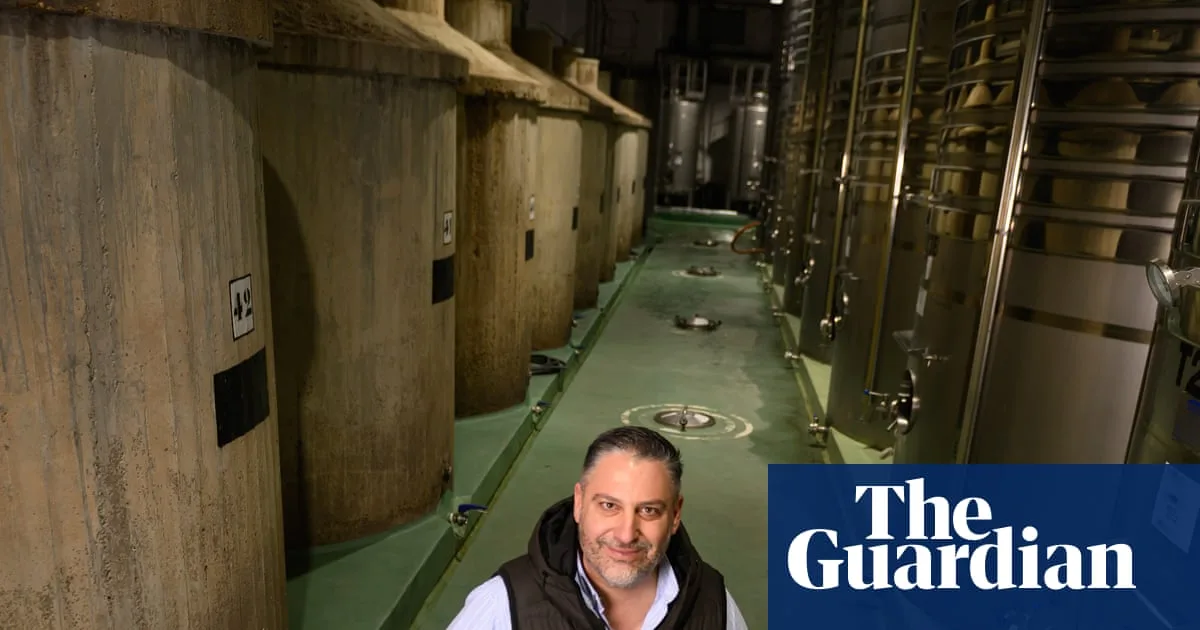
The challenges are not solely demographic. At the Cuatro Rayas winery, founded 90 years ago, the original huge concrete vats stand opposite modern stainless steel tanks—a visual metaphor for an industry navigating technological change and the climate emergency. Erratic weather patterns and furnace-hot summers, like the one just passed in Valladolid, add immense pressure.
The solution, according to industry leaders, lies in a dual approach: attracting youth and embracing modernity. This means ensuring future growers are experts in sustainability and digital innovation, while wineries evolve into multifaceted destinations with PR teams and tourism offerings, far removed from the dusty cellars of old.
Ezquerro emphasises the broader stakes: vineyards store carbon and sustain rural communities. "This is too important not to fight for," he states. "One of the challenges we have is explaining the whole story that's behind each bottle... We need to get better at telling that story because I think society—and young people—would understand it." The future of Spain's iconic wine landscape depends on whether that story can inspire a new generation.