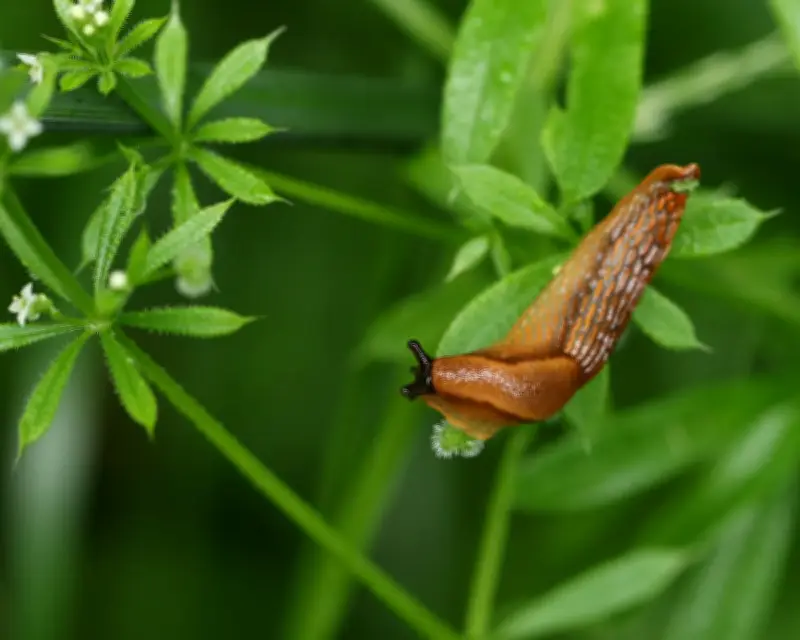
Farmers in England are using modern technology to combat slugs, with prediction maps developed through a research project helping to slash pesticide use by half. The maps, created by computer models, allow growers to target slug pellets more precisely, saving money and reducing environmental harm.
Cost of Slug Damage
Slug damage to wheat and oilseed rape crops costs the UK an estimated £44 million annually. The gastropod molluscs graze on young leaves of emerging cereal crops and can eat barley, oat, and wheat seeds. They also damage potatoes and vegetable crops, sometimes forcing entire fields to be abandoned if infestation is severe.
The Slimers Project
The monitoring work is part of the Slimers project—Strategies Leading to Improved Management and Enhanced Resilience to Slugs. This three-year, £2.6 million scheme, funded by the Department for Environment, Food and Rural Affairs (Defra) and led by the British On-Farm Innovation Network, began in 2023 and concludes in late August.
A team of 28 “slug sleuth” farmers worked alongside scientists to understand slug behaviour. They set up traps—large plastic saucers—on their land and collected data. This information was fed into a computer model, and an algorithm predicted where slugs would be found in arable fields. Soil samples were also taken.
Results: Halving Pesticide Use
The resulting slug prediction maps were tested by 16 farmers over the past autumn and winter. The maps helped them halve the amount of slug pellets needed to control the pests. Charles Paynter, a farmer in Bedfordshire involved from the start, said: “My threshold for taking control measures is higher now because I have been able to prove to myself that I can evaluate the risks from slug activity with greater accuracy.”
The chemical metaldehyde, commonly used in slug control products in the UK, was banned in 2022, leading to increased use of ferric phosphate pellets. There is growing appetite for alternatives to pesticides.
How the Model Works
Prof Keith Walters and a team from Harper Adams University created the slug prediction model. He said they are now confident it works. “We already knew that slugs didn’t occur randomly across fields, but that they form distinct patches according to soil type and climatic conditions,” Walters explained. “The slug sleuths’ data of slug populations across their fields helped us develop that understanding further and allowed us to confirm our hypothesis about how slug patches re-form after waterlogging.”
In waterlogged soils, slug patches become unstable and break down, but the team confirmed that patches re-form temporarily in unexpected places and then quickly return to predicted areas when soil conditions normalise.
Future Developments
Another part of the Slimers project focuses on developing slug-resistant wheat varieties. Scientists have identified three areas of the wheat genome responsible for resistance to the grey field slug. This finding could pave the way for plant breeders to develop new varieties that resist one of the most persistent pests.