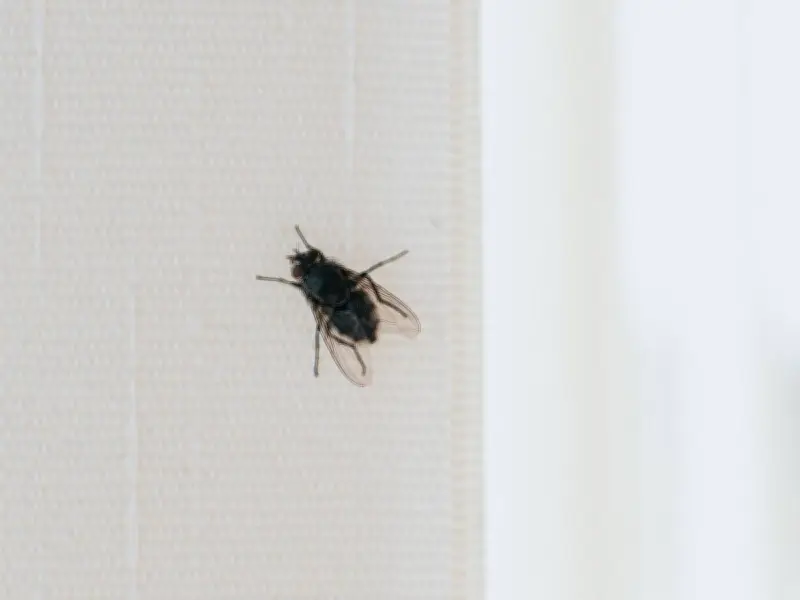
A simple, non-toxic trap using everyday kitchen items can help keep flies away. Sydnee Cooke, known online as @waystocooke, shared a method that uses apple cider vinegar and a sweetener like honey or maple syrup to attract flies, with foil containing small holes to let them in but make it hard to escape.
How to make the trap
Cooke suggests: "Apple cider vinegar plus something sweet like honey or maple syrup pulls them in. The foil with small holes lets them crawl inside, but they struggle to find their way back out. Set it near the problem area and let it do its thing." Apple cider vinegar is available in many UK supermarkets for around £2, while honey can be bought for as little as 74p from stores such as Tesco.
Mumsnet also notes a "simple fly trap trick that’s going viral" using a jar: punch tiny holes in the lid, pour 1/4 cup of apple cider vinegar into the jar, add a few drops of liquid dish soap (like Fairy or supermarket own brand), screw the lid back on, and place near fruit bowls, compost bins, or kitchen sinks. The vinegar attracts flies, and the dish soap makes them sink so they cannot escape.
Why flies are increasing
Many UK households have seen more flies in recent weeks due to warm weather making food bins smell more quickly. According to pest control experts at Ehrlich, "A sudden housefly infestation often happens after bringing home food, missing a trash day, or dealing with plumbing problems. Flies get in through small gaps around windows, doors, or vents. Once inside, they’re drawn to moisture, rotting food, dirty drains, pet waste, and even damp houseplants."
Different fly species are attracted to different things: drain flies breed in wet organic matter, fruit flies are linked to overripe fruit or fermenting liquids, and houseflies are attracted to rotting food, pet waste, and garbage. Some flies lay eggs near organic waste, and once eggs hatch, a new wave of adult flies can appear seemingly overnight.
Where flies lay eggs
The pest experts explain: "Flies lay eggs in moist, organic material such as rotting food, animal waste, or damp compost. These eggs are tiny, white, and hard to see. Within a day or two, the eggs hatch into larvae, or maggots." Clusters of eggs may be found in garbage bins, underneath appliances, or inside drains. Some flies, like cluster flies, gather to overwinter in attics or wall voids.