Gardeners are being encouraged to scatter used teabags around their gardens in late June to help plants survive the ongoing UK heatwave, which is forecast to bring temperatures of up to 38°C in some areas. The simple household item can improve soil moisture retention and provide essential nutrients, according to experts.
How Teabags Help Plants During a Heatwave
The UK is currently experiencing a severe heatwave, with temperatures expected to worsen over the next few days. This extreme heat can cause water to evaporate quickly from the soil, leaving plant roots unable to stay hydrated. If roots cannot replace lost water, plants may wilt, develop burned leaves, and undergo hydraulic failure—a process where air bubbles form inside the stem. Once hydraulic failure occurs, plants struggle to move water from roots to leaves and may not recover even if watered later.
Brett Kerley from the Edmonton Horticultural Society explained: "Used tea leaves contain essential nutrients that can improve soil health. They improve soil structure, aerating it and improving its ability to retain moisture, benefiting plants that need consistent hydration."
Natural Method to Retain Soil Moisture
Teabags are a natural way to help soil retain more water, preventing plants from drying out. The tea leaves can hold a significant amount of water, and mixing them into the soil slows down evaporation, reducing how quickly roots dry out. Additionally, as the leaves break down, they add organic matter to the soil, improving its ability to absorb water efficiently in the future.
Some gardeners turn to unusual watering methods, such as burying sponges in flowerbeds or using wine bottles to slowly release water into the soil. However, teabags offer a simple and effective alternative.
How to Use Tea Bags in the Garden
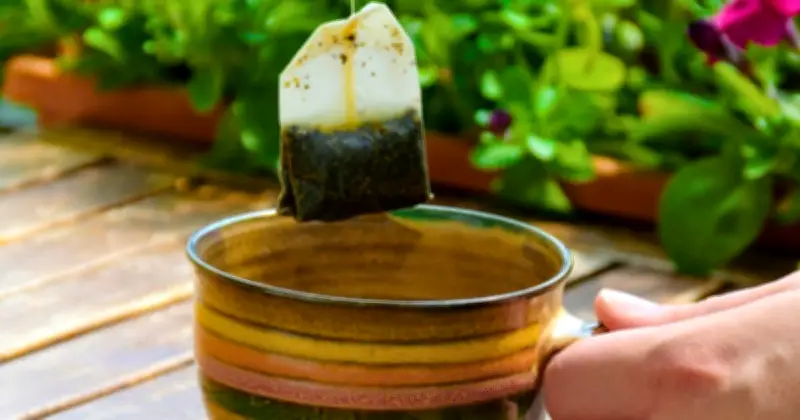
To use teabags, collect used ones, cut them open, and scatter the damp leaves around the base of plants. It is also helpful to use a spade to gently mix the tea leaves into the topsoil. However, gardeners should check the type of teabags used, as some contain plastic mesh that does not break down and can stress plants. Only use teabags labelled plant-based, biodegradable, or plastic-free.
Tea leaves are acidic, making them beneficial for plants that thrive in acidic soil, such as hydrangeas, roses, tomatoes, blueberries, ferns, and camellias. Conversely, plants that prefer alkaline soil—like lavender, rosemary, sage, and thyme—may struggle with organic-rich soil. Gardeners are advised to use small amounts if unsure about a plant's soil preference.
While teabags are unlikely to harm gardens, caution is recommended for plants sensitive to acidity. This method offers a sustainable way to support plant health during extreme heat without relying solely on chemical fertilizers.