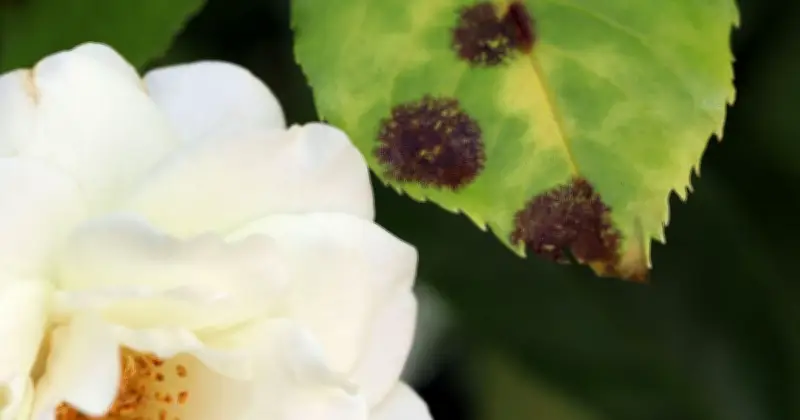
Mulch: The Natural Solution to Black Spot on Roses
Gardening experts and rose enthusiasts agree that adding a natural item to the soil in July is the most effective method to dramatically reduce black spot and keep roses healthy all season. Black spot is a destructive fungal disease that poses a serious threat to roses, causing irregularly shaped marks up to half an inch in diameter on leaves, which then turn yellow and fall prematurely. If left unchecked, the entire plant may become stripped of foliage and more susceptible to other fatal diseases.
Expert Advice from Gardening Communities
Fed up with her roses being repeatedly struck down by black spot, Kelly Lynch turned to the David Austen Roses Facebook page for guidance. She asked, “Does anyone have any advice for black spot? I've tried removing all the infected leaves and don't overwater, but no matter what I do, most of my roses end up with it.” The vast majority of group members recommended mulching in July.
Ruth Hall said, “It seems to have helped that I planted my Intrigue rose (prone to black spot) in a bed that has a surface of mulch on top. No moisture on the surface. That seems to help prevent black spot.” Julie Graig wrote, “Don't spray. Mulch can protect and nurture the fungal spores. Remove it, clean the area, and snip any infection. Water gently in the early morning or late evening. Keep the area well ventilated, not overgrown.” Anna Elizabeth replied, “I try to mulch around the plant, but keep it away from the bud union and not water too much.”
How Mulch Prevents Black Spot
Gardening experts at Moowy also recommend mulching roses to prevent black spot. They said: “Apply a substantial layer of mulch around the plant’s base to help prevent black spot. Mulch acts as a barrier, preventing soil from splashing onto the plant. Because if spores are present in the earth, the mulch will help stop black spot from spreading to the roses.” Mulch provides roses with a nutritional boost, suppresses weeds, and assists in retaining moisture. It is particularly beneficial for roses susceptible to black spot because it stops rainfall from splashing spores present in the soil onto new growth.
How to Mulch Roses Effectively
There is a wide variety of materials suitable for use as mulch, including high-quality garden compost, composted straw or bark, or well-rotted manure sourced from a local farm. Any manure used must be at least two years old, as fresh manure risks scorching the roots. Begin by watering the surrounding ground well. The area should be clear of weeds and any fallen or diseased leaves. Once the soil is ready, apply a layer of mulch around the base of the rose, spreading it evenly to a depth of about one to two inches and extending it outwards to roughly the width of the rose canopy. It is important to keep the mulch slightly away from the stems themselves, leaving a small gap to allow air to circulate freely and help prevent rot at the base of the plant.