The number of low-income households unable to afford basic essentials such as food, heating and toiletries has reached a record high, according to new research from the Joseph Rowntree Foundation (JRF). The charity estimates that 7.4 million households went without at least one essential item in the past six months – the highest figure since it began tracking the cost of living crisis in 2021.
Struggle spreads to traditionally secure groups
The anti-poverty charity said the increase has been driven largely by households traditionally considered less likely to struggle financially, including those not receiving means-tested benefits, outright homeowners, families without disabilities and people aged 65 and over.
The findings are based on a survey of 4,121 households in the bottom 40 per cent of incomes carried out between May and June this year.
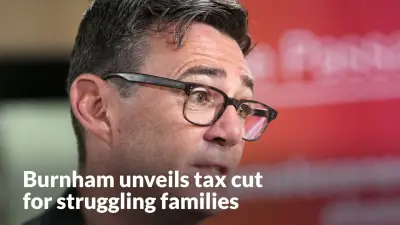
JRF said Andy Burnham takes office as Prime Minister “at a time when the cost of living crisis has never been more widely felt”.
Universal Credit households hit hardest
Its analysis found that 53 per cent of households not receiving means-tested benefits, such as Universal Credit, were unable to afford at least one essential item during the previous six months, up from 47 per cent two years ago.
Overall, the households most likely to be struggling were those claiming Universal Credit, people under 25, single-parent families, households with three or more children, those containing non-UK citizens and households headed by someone from a Black or mixed ethnic background.
Among households receiving Universal Credit, 84 per cent said they had been unable to afford at least one essential item over the previous six months.
The survey defined essential items as including food, basic toiletries, heating, and suitable clothing and shoes.
Government action and expert reaction
The report comes after Mr Burnham announced that VAT will be removed from domestic electricity bills from October 1, a move expected to reduce the typical annual bill by around £45.
While the tax cut has been welcomed by consumer experts, some warned it would not be enough to offset the wider financial pressures facing many households, with energy prices expected to remain high over the winter.
JRF chief economist Chris Belfield said: “Andy Burnham starts his time as Prime Minister at a time when the cost-of-living crisis has never been more widely felt. This ongoing crisis is not numbers in a spreadsheet, it is not graphs trending up or down, it is families not being able to afford basic essential goods like food, heating and basic toiletries. The number of people not able to afford these essentials has hit record levels – 7.4 million households.”
He said there was “cause for optimism” following government action to reduce electricity bills and falling wholesale energy prices, which had contributed to around 500,000 fewer households being unable to heat their homes than two years ago. However, he said further action was needed to make housing and energy more affordable and improve the adequacy of Universal Credit.