
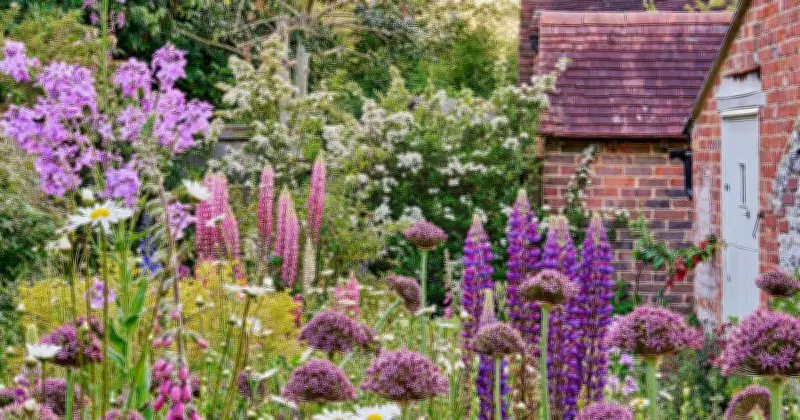
Gardeners across the UK are being encouraged to plant one specific flower that will grow in almost any condition to support bees and other wildlife throughout the summer months. As temperatures rise, gardens become bustling hubs for creatures large and small, and many green-fingered enthusiasts want to ensure their outdoor spaces provide a sanctuary for local fauna.
Chris Bonnett, founder of GardeningExpress.co.uk, explained: "More and more people want to see wildlife in their gardens, and it's often simpler than they expect. Incorporating even a small selection of native plants in your garden can make a big difference. These plants already fit in with our local wildlife, so they'll provide exactly what insects and birds need to survive and thrive."
Foxglove: A Magnet for Bees
The flower in question is the common foxglove (Digitalis purpurea), a phenomenally popular wildflower across the UK. Instantly recognisable by its vibrant, bell-shaped flowers, the foxglove is often used along borders to add definition and dimension, and it brings a splash of colour to shadier areas.
The Royal Horticultural Society (RHS) has branded the common foxglove "one of our most spectacular native wildflowers." The RHS adds: "Over time, many variations and colour strains have been developed from this parent plant. They are a magnet for bumblebees and are ideal for growing in wildlife and cottage gardens."
How to Grow Foxglove
For those keen to introduce foxgloves to their garden, the RHS advises: "Most of the perennial types are short lived and will need replacing as they decline. Allow biennials to self-seed or replace annually after flowering for a summer display." These plants are remarkably adaptable and can thrive in a variety of soil types and conditions, making them an excellent choice for gardeners of all skill levels.
Other Wildlife-Friendly Plants
GardeningExpress also recommended six other native plants that help attract a diverse range of wildlife: primrose, hawthorn, ivy, rowan, honeysuckle, and red campion. Together, these plants can transform a garden into a thriving habitat, providing food and shelter for birds, bees, butterflies, and essential insects.
UK gardens can serve as safe havens for vital pollinators such as bumblebees, honeybees, wasps, drone flies, ladybirds, and beetles. For birds and animals like hedgehogs, gardens offer rest stops, food sources, and sheltered spots. Many homeowners also add bird baths, feeders, and bee hotels to further support wildlife.
With the correct blend of native flowers, plants, and trees, even the smallest outdoor space can become a bustling ecosystem. As Bonnett noted: "It's one of the easiest ways to bring gardens to life, especially during the summer months when wildlife activity is at its peak."




