
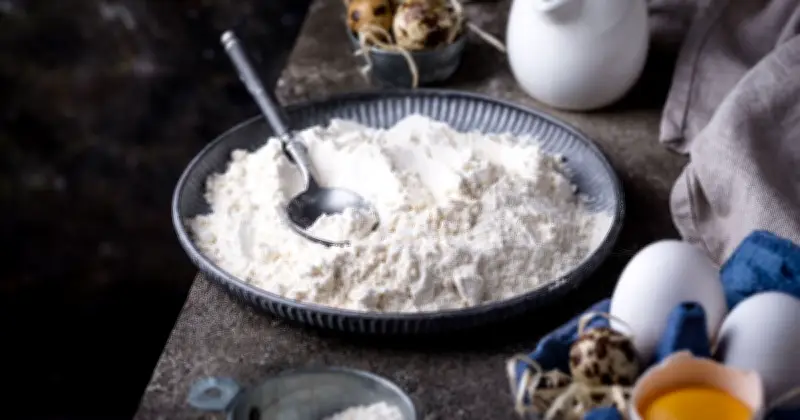
Self-raising flour contains a leavening agent such as baking powder or yeast, while plain flour does not. This fundamental difference affects how each flour behaves in recipes and why they should not be used interchangeably.
Key Differences Between Plain and Self-Raising Flour
According to Vita Molyneux, Travel Reporter, self-raising flour has baking powder and sometimes extra salt already added. Plain flour lacks these ingredients. Self-raising flour is ideal for baked goods like muffins and cakes that need to rise, while plain flour works better for roux, dredging fried foods, and recipes where leavening is not desired.
Self-raising flour also has a shorter shelf life due to the added leavening agents. Expired self-raising flour will not rise properly, leading to dense, sunken cakes and muffins. Checking expiration dates is crucial for successful baking.
Can You Substitute One for the Other?
No, substituting self-raising flour for plain flour (or vice versa) will alter the taste and texture of the final dish. Using self-raising flour in a roux or soup can cause it to foam and expand unpredictably due to the leavening agent. However, if a recipe calls for self-raising flour and you only have plain flour, you can easily make your own.
How to Make Self-Raising Flour at Home
To create self-raising flour from plain flour, mix 1.5 teaspoons of baking powder and 0.25 teaspoon of salt into 1 cup of plain flour. Whisk thoroughly to ensure even distribution. Scale the recipe up as needed for larger quantities. This homemade version works effectively in most recipes requiring self-raising flour.




