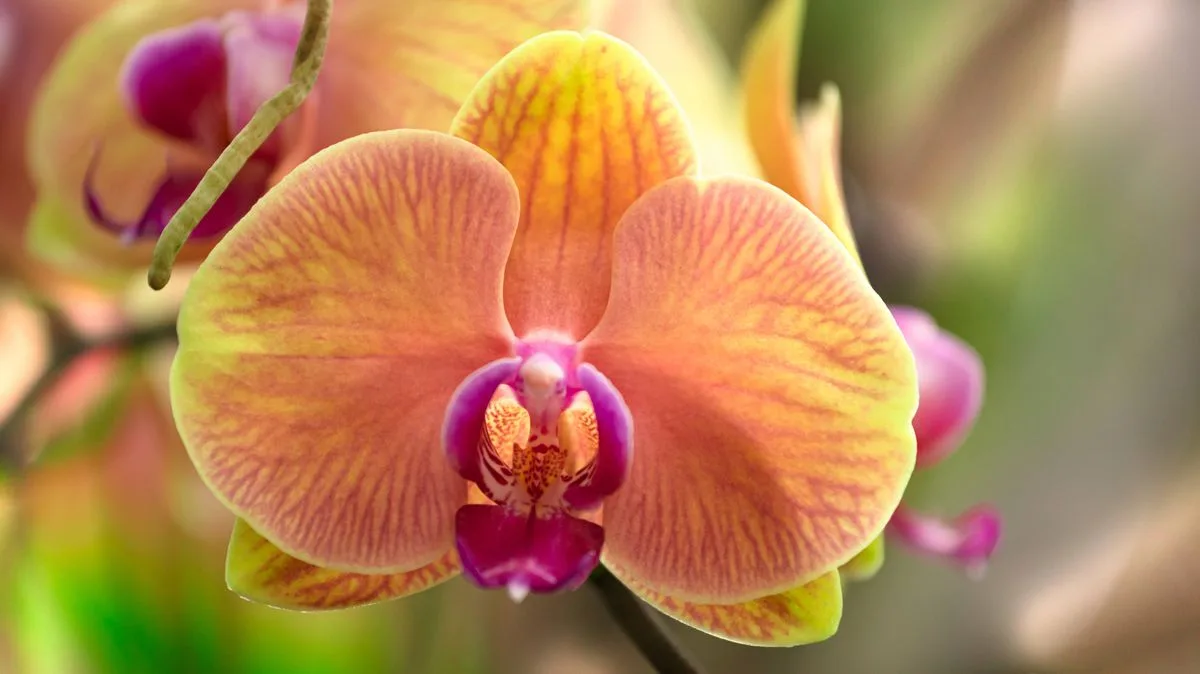
Orchids, with their vibrant blooms lasting six to ten weeks, can be encouraged to rebloom annually with proper care. Experts from BabyBio highlight that while orchids have specific needs, understanding their environment is key to success.
Pruning is crucial after flowers drop. Specialists recommend cutting the entire flower stem above a node to promote reblooming the following season. For beginners, the Phalaenopsis moth orchid is ideal. To prune, locate a node below the lowest bloom and cut one inch above it; if the stem appears brown and unhealthy, trim back to the base.
Fertilising is essential both during blooming and dormancy to replenish nutrients. Use a feed specifically formulated for orchids or houseplants. In their natural habitat, orchids grow on trees or rocks, so pot them in bark-based compost to ensure drainage and root aeration.
Orchids absorb moisture from the air, requiring high humidity. Mist foliage and aerial roots daily or place the plant near a tray of wet pebbles. Water only when roots appear brown; green roots indicate sufficient moisture. Overwatering risks root rot.
By following these four spring care tasks—pruning, fertilising, proper potting, and humidity management—orchid owners can encourage their plants to rebloom year after year.