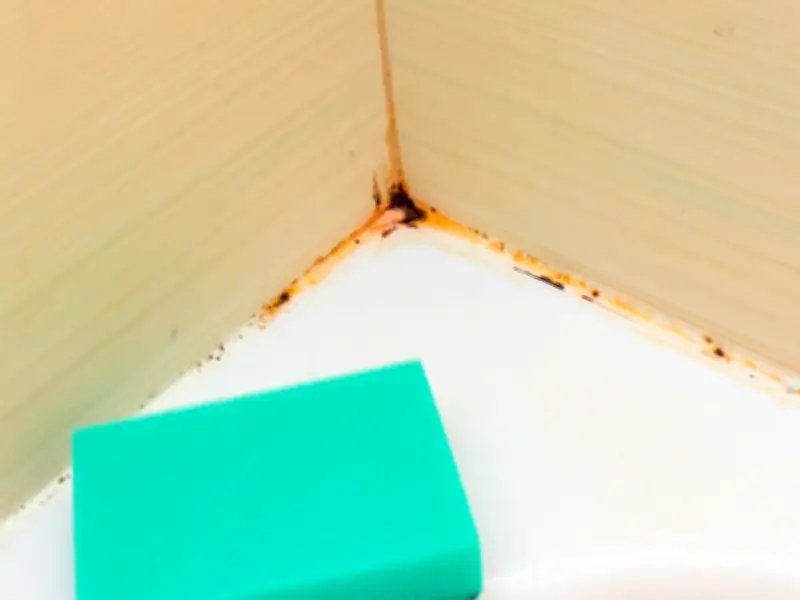
A single houseplant can stop bathroom mould by naturally absorbing dampness, according to bathroom experts. Adam Whittaker-Bush from Sanctuary Bathrooms recommends snake plants, peace lilies, or orchids as natural dehumidifiers that thrive in steamy conditions.
Why Bathrooms Are Mould Hotspots in Summer
Mould is often considered a winter problem, but it simply needs warmth and moisture to grow. In summer, bathrooms become prime targets because steam from showers accumulates on walls, tiles, and surfaces. July's humidity—caused by heavy downpours after hot spells—reduces ventilation, leaving bathrooms damp for longer periods.
“Excess moisture is one of the most commonly faced bathroom challenges. It creates ideal conditions for mould and mildew to take hold, particularly in poorly ventilated bathrooms,” said Adam Whittaker-Bush. “If cleaning bathroom mould is an all-too-common occurrence, plants offer a natural line of defence.”
How Houseplants Prevent Mould
Many popular houseplants are tropical varieties that naturally grow on rainforest floors, where they absorb moisture directly from the air because dense tree canopies block rainfall. In a bathroom, these plants soak up excess steam and humidity, stopping mould from taking hold without intensive cleaning.
The snake plant is a low-maintenance option that can survive weeks without watering and needs minimal sunlight. Peace lilies produce striking white blooms and prefer moist soil, making them a popular bathroom choice. Orchids also absorb humidity effectively, with roots that require consistently warm conditions.
Other common houseplants like ferns, aloe vera, and English ivy flourish in humid environments and help keep bathrooms mould-free. This natural approach frees up time to enjoy summer sunshine instead of scrubbing spores.