
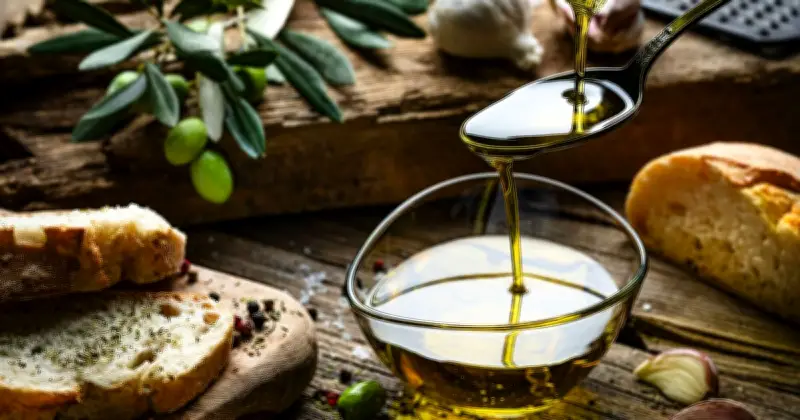
The world of olive oil can certainly be confusing. Many recipes simply state "olive oil", yet the store displays a wide range of options, such as extra-virgin, pure, and light olive oil. So, when it comes to regular versus extra-virgin olive oil, is there an actual difference?
Olive oil is a staple ingredient in kitchens around the world, celebrated for its health advantages, cooking uses, and rich heritage in Mediterranean culture. Olive oil has a variety of uses – it can be incorporated into vinaigrettes, marinades, and dishes with vegetables and meats, as well as desserts and baked items. This healthy fat is a plant-based oil made by pressing or crushing fresh olives. However, with supermarket shelves overflowing with various bottles and tins, it can be challenging to determine which olive oil to choose. And that's not even considering the crucial question: what distinguishes olive oil from "extra virgin" olive oil?
Are olive oil and extra virgin olive oil the same?
In simple terms, no. Although both come from the modest olive, the differences are found in the production methods, taste, cultivation areas, and overall quality.
Extra virgin olive oil
Extra virgin olive oil is the highest-quality olive oil. It is an unrefined oil, meaning it is produced by cold-pressing whole olives without any additional heat or chemicals. This process retains the purest flavours and aromas, capturing the essence of the olive. Extra virgin olive oil is free from defects, has an acidity level of less than or equal to 0.8%, and, if stored correctly, possesses superior taste and aroma. The taste of your extra-virgin olive oil will depend on the type of olive. It can range from buttery and herbal to peppery and bitter.
Regular olive oil
On the other hand, regular olive oil is a lower-grade product made from mostly refined olive oil. Sometimes producers will run the olive paste through the mill multiple times to extract more oil, which lowers the quality of the oil. Since regular olive oil doesn't require strict manufacturing or taste standards, it is much more affordable than extra virgin olive oil. Overall, regular olive oil has a more neutral flavour profile than extra-virgin olive oil. It is also usually lighter in colour and aroma.
Can different oils be substituted for each other?
To put it simply, yes. If a recipe specifies olive oil, which many do, you can opt for either extra-virgin or regular olive oil. The choice is yours and mainly depends on your personal taste. Both types of olive oil are suitable for baking and cooking, but remember that they have different smoke points. As a general guideline, it is best to use the more flavourful extra-virgin olive oil for dipping bread, in dressings, dips, and uncooked dishes, as well as for finishing touches, allowing the flavour to really stand out.




