
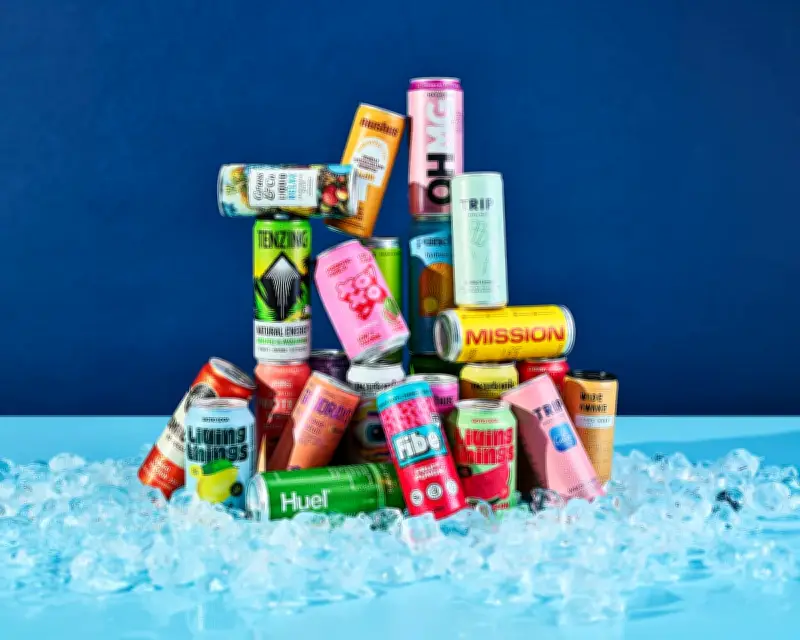
Walk into any supermarket and you'll see cans promising improved mental clarity, zen-like calm, or a blast of energy. These functional soft drinks, from electrolyte lemonades to probiotic fizzy pops, are booming globally, worth about £115bn a year and predicted to double by 2030. In the UK, sales generate £100m annually, with a quarter of consumers now wanting functional benefits from their drinks, up from 13% in 2024.
What do they contain?
Functional drinks often include added vitamins (A, B12, D), minerals like magnesium, adaptogens (ashwagandha, ginseng, reishi, lion's mane mushrooms), nootropics, caffeine, CBD, collagen, protein, fibre, or probiotics. Some mix many of these ingredients.
Consultant dietitian Sophie Medlin says they offer more than regular soft drinks but advises against starting them. Health claims are tightly controlled in the UK; brands like Trip and Myota have faced censure. Claims often rely on vitamins like B12, which legally can reduce tiredness if the drink contains 15% RDA per 100ml, even if other ingredients like lion's mane are unproven.
Adaptogens and nootropics
Registered nutritionist Gopi Chandratheva warns that mixing multiple adaptogens with vitamins, caffeine, or CBD may be unwise and could interact with medications. Medlin adds that any benefit likely comes from caffeine, not the expensive ingredients. Products often lack clinically significant doses due to insufficient research and variation in natural ingredients.
CBD drinks
The Food Standards Agency lowered the recommended daily CBD intake to 10mg in 2023 after evidence linked long-term use to liver and thyroid issues. Most consumer drinks contain 10-20mg per can, while human trials for anxiety used 150-600mg. Some users report feeling calm; others feel weird or spaced out.
Electrolyte concerns
Electrolyte drinks are popular on social media, but Medlin says if you drink enough water and eat normally, you don't need them. They often add excess salt, countering public health efforts to reduce sodium intake. UK guidance says adults should have no more than 6g salt per day; Cadence and Na11 contain 1.25g per can.
Protein, collagen, and sweeteners
Medlin recommends eating more protein rather than drinking it with additives, calling these drinks ultra-processed. Collagen claims lack robust evidence; the body decides how to use consumed collagen. Most functional drinks use artificial sweeteners like steviol glycosides or sucralose, which can train palates to want sweet flavours and may harm gut bacteria.
Caffeine
Some drinks contain up to 200mg caffeine per can, about three espressos. Excessive caffeine can cause anxiety, poor sleep, and rarely fatal heart arrhythmia. The UK is consulting on banning caffeinated drinks for under-16s. The NHS advises against caffeine for babies and young children.
Fibre and probiotics
Adding fibre or probiotics is less problematic, but Medlin warns that inulin from chicory root can trigger IBS symptoms. University of Reading psychologist Daniel Lamport says there's no substitute for a fibre-rich, whole-food diet for cognitive health.
Taste test
We tasted several drinks with drinks writer Aleesha Hansel. Highlights: Trip's Sicilian Lemon Mindful Blend (£2/250ml) was well-integrated and tasty. Fibe Fruit Punch (£1.99/250ml) delivered nostalgic fruit punch. Neutonic Natural Energy Orange Sunrise (£2.75/330ml) was sweet and syrupy, like Berocca. Vieve Strawberry & Rhubarb Protein Water (£2.59/250ml) had a meaty taste from bovine collagen. G Spot Protect (£2/250ml) smelled like baked-bean sauce and tasted limp. Goodrays Raspberry & Guava CBD (£7.50/4 cans) was perfumed and pot-pourri-like. Grass & Co Peach, Chamomile & Reishi Liquid Relax (£2.49/250ml) had muddy flavours.




