
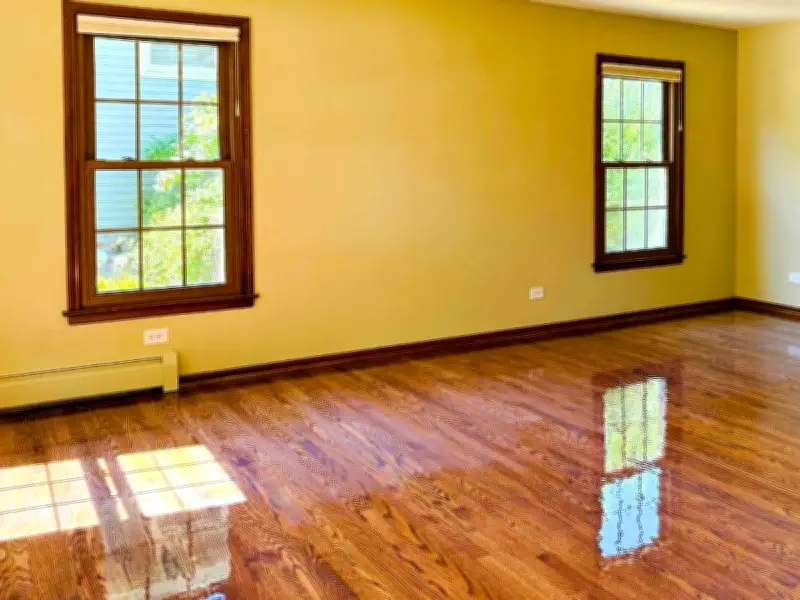
Wooden floors have grown increasingly popular over carpet in British homes due to their ease of upkeep, yet come springtime, they often require a thorough deep clean to ward off wear and tear. It is extremely common for floors to begin losing their lustre during spring, as this is the time of year when we start throwing our windows open more frequently, welcoming in greater amounts of dust and pollen. This can cause debris to settle across the floor, forming a thin coating that leaves it looking tired and lacklustre. If this grime is allowed to accumulate, it will not just make a room appear untidy — over time, the fine particles can gradually erode the finish, potentially causing permanent scratches.
Why Use Olive Oil to Clean a Floor?
Nell Regan Kartychok, a DIY expert and founder of Rhythms of Play, swears by an old-fashioned cleaning method to keep floors gleaming: all you need is a few drops of olive oil. She said: "Olive oil is a fantastic natural cleaner for wood, so this recipe is the best mixture to clean wood around the house without harsh chemicals." Adding a splash of olive oil to your mop bucket creates a natural polish that helps bring back the wood's shine. Olive oil helps to nourish the wood without heavy mopping, restoring its colour and giving it a far richer appearance. Buffing olive oil into the floor can also help disguise minor scuffs or light scratches on the wood, leaving it looking considerably better without splashing out on pricey products.
How to Deep Clean a Wooden Floor
Olive oil works wonders for restoring wood, but when combined with an acidic ingredient like vinegar, the mixture can help dissolve any residue on the floor, leaving it dust-free throughout spring. You will need: 400ml of water, 60ml of white vinegar (or use apple cider vinegar for darker wooden floors), two tablespoons of olive oil, and 20 drops of lemon essential oil (optional). Lemon essential oil contains limonene, which can help cut through grease buildup and has antimicrobial properties. However, animals cannot process essential oils the way humans can, and exposure can poison them, so avoid using this ingredient if you own a cat or dog.
It is worth noting that olive oil adds a natural lustre to floors, but it becomes dangerously slippery if you apply too much. Just a few tablespoons are sufficient for it to work effectively, so be careful not to overdo it.
Method
Simply pour the water, olive oil, vinegar and essential oil (if using) into a 16-ounce glass spray bottle. These bottles are typically available in the gardening aisle of most supermarkets, but can also be found in pound shops, gardening centres or online from most popular retailers. Remember to give the bottle a thorough shake before each use, and lightly mist the floor with the solution. Never saturate a floor when cleaning it, as excessive liquid can damage the wood. Take care not to use too much. Then, all that is left to do is mop the floor. Work in small sections, mopping and misting as you go, so no area of the wood remains wet for too long. Once you are done, go over the floor with a microfibre cloth or dry mop to ensure it is thoroughly dry, which will also help to prevent any streaks forming on the wood. Your wooden floor should now be spotless and gleaming, meaning you can confidently cross deep cleaning the floor off your spring cleaning checklist.




