
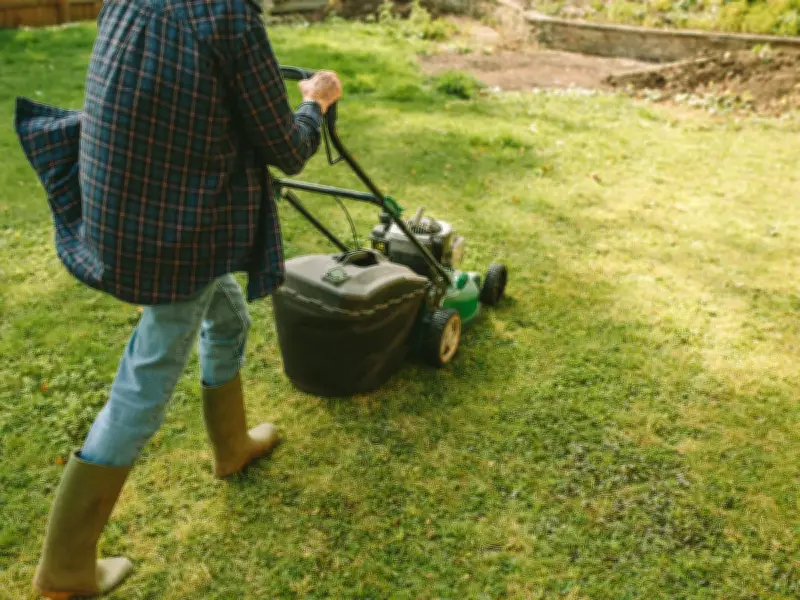
Gardeners are being urged to mow their lawns within a specific two-hour window during hot weather to prevent yellow patches and weakened grass. According to George Davies Turf & Stone, the ideal time to mow is late morning, between 10am and 12pm.
Why Timing Matters in a Heatwave
Elevated temperatures put significant strain on grass, making appropriate lawn care crucial. Mowing at an unsuitable time can compromise grass health, accelerate moisture loss, and render the lawn vulnerable to drought and yellow patches. Yellow patches do not necessarily indicate the grass has died, but prevention is preferable.
George Davies Turf & Stone explained: "The grass blades tend to be drier during this time, so the cut will be cleaner, and the clippings will mulch more efficiently. Mowing early has other advantages as well. The morning dew acts as a natural lubricant, so the blades glide through the grass more smoothly. The lower temperatures also ensure less stress on the grass."
Avoid Midday and Evening Mowing
Midday mowing should be avoided, as the heat places extra strain on the lawn. Late-afternoon and evening cuts are not recommended, but if mowing must take place during these hours, ensure sufficient time for the clippings to dry before darkness falls to avoid disease.
To maintain your lawn in prime condition, mow at least once weekly throughout the active growing season. However, during warm, dry spells or when you notice growth declining, you can cut back to mowing every 10 to 14 days.
RHS Guidance on Mowing Frequency
The Royal Horticultural Society (RHS) similarly advises mowing once weekly on average, reducing to fortnightly during drought conditions. Flower-rich lawns can be mown every four to six weeks, while long-grassed lawns are ideally cut once or twice throughout the summer, though typically not before June.




