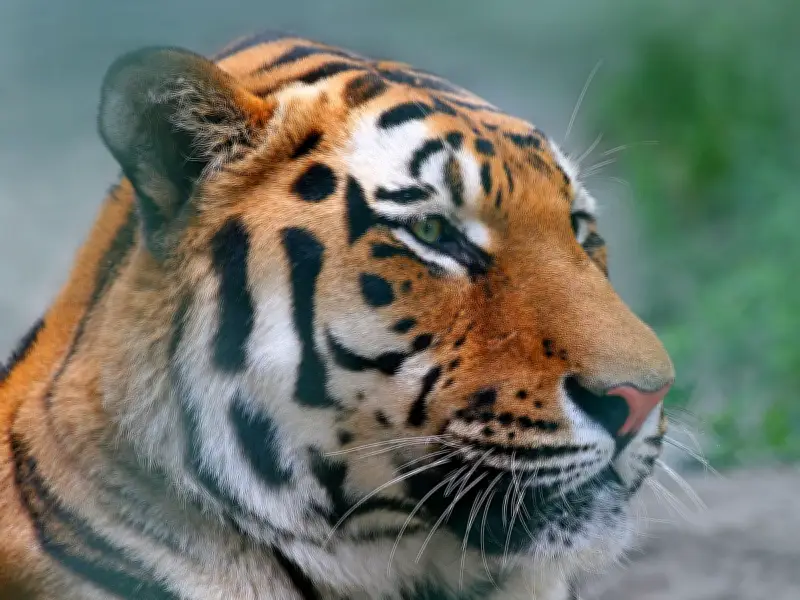
More than 2,200 dangerous wild animals, from big cats to venomous snakes, are being legally kept as pets in British homes, according to research by wildlife charity Born Free.
The charity said the animals include pit vipers, tigers, and crocodiles, and called for an overhaul of the 50-year-old Dangerous Wild Animals Act (DWAA) governing their keeping.
Licensed Animals Across the UK
Data from local authorities, which issue licences under the Act, show more than 500 venomous snakes, nearly 300 primates, 79 crocodiles, alligators, and caimans, and 166 wild cats including lions, pumas, and tigers are being privately kept.
Among the animals are alligators and gila monsters in Angus, cheetahs in Cheshire, and snakes including cobras, green mambas, rattlesnakes, and boomslangs across the country. Scotland has the most licensed wild cat hybrids, Carmarthenshire in Wales is home to the only licensed elephant, and the saw-scaled viper, the world's deadliest snake, is licensed in Greater London.
Born Free Calls for Law Reform
Actress Dame Joanna Lumley, Born Free's founder patron, said: "Wild animals should never ever be kept as pets, no matter how much we feel we could give them a wonderful home. Their lives should be in the wild. It is shocking that so many are still being legally kept in private hands, propping up a cruel and ghastly trade."
Born Free also warned that many more dangerous wild animals may be held illegally. The charity has released a searchable database at bornfree.org.uk/dwamap for people to see licensed animals in their area.
Rise in Venomous Snakes and Primates
The number of venomous snakes has risen from 403 in 2023 to 512, and dangerous primates from 256 to 293. Born Free flagged a social media-fuelled craze for small wild cats and hybrids, which are frequently licensed, though later-generation hybrids may fall outside licensing while retaining wild traits.
Chris Lewis, Born Free's captivity research and policy manager, said: "The Dangerous Wild Animals Act 1976 was intended to make the keeping of wild animals categorised as 'dangerous' a wholly exceptional circumstance. Yet 50 years on we find ourselves in a situation where nearly ten times more venomous snakes are kept in British homes than British zoos... The Government must urgently review and reform the laws governing the trade in, and keeping of, wild animals as pets."
Sanctuaries Highlight Animal Suffering
Sanctuaries like WildSide Exotic Rescue in Herefordshire show the damage captivity can do, housing mountain lions Tyson and Taylor, who suffered in a concrete-floored cage, and Kit, an illegally-kept lynx. Born Free said DWAA licences do not guarantee appropriate conditions and the law needs review.
Government Response
A Defra spokesperson said: "Anyone wishing to keep an animal covered by the Dangerous Wild Animals Act must be carefully vetted and apply for a licence which sets out strict conditions under which the animals must be kept." Licences are granted only if it is not contrary to public interest and accommodation is suitable, clean, and secure.
Separately, the Wildlife Trusts have called for a new 'kept wild' status for animals like bison and elk used in conservation, which are currently subject to DWAA and farming rules.