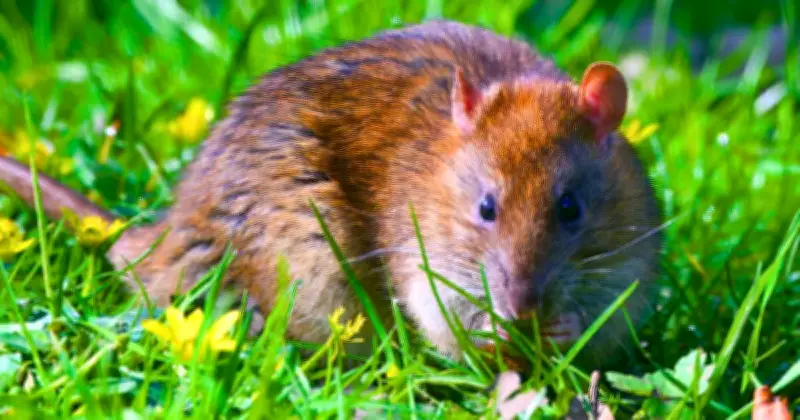
Gardeners looking to keep rats out of their gardens this summer can do so naturally by planting a common herb that rats hate, according to gardening expert Juanita Schulze from David's Garden Seeds. Mid-July marks the peak of rat breeding season, and young rats are leaving nests to find food and shelter, often entering gardens where fallen fruit, bird seeds, and tender plants are abundant.
Why Rats Are More Active in Summer
Rats become more noticeable in mid-summer as it is just after their peak breeding season. Young rats leave their nests to find their own shelter, and gardens provide an easy food source. If rats settle in, they can quickly damage plants, spoil the appearance of a garden, breed through autumn, and eventually move into homes as temperatures drop. Preventing a small number of rats during summer is far easier than dealing with a serious infestation later in the year.
Natural Rat Repellent Using Herbs
Juanita Schulze recommends planting strong-smelling herbs as a natural deterrent. She said: “You can plant herbs around your garden, sort of like a protective wall to repel rodents. Herbs that have the strongest smells such as mint (especially peppermint), catnip, rosemary, sage, lavender, oregano, and basil are the most effective plants at keeping these unwelcome creatures away.”
Herbs contain strong-smelling compounds that can irritate a rat’s sensitive nose, making it uncomfortable for them to stay in the area. Rats have highly sensitive noses, so they are easily overwhelmed by pungent plants. This method is especially effective in mid-summer because young rats are more uncertain about strange smells, which can signal danger nearby.
How Herbs Mask Food Odours
Planting herbs now also masks food odours in the garden, making it harder for rats to find anything to eat. This prompts them to quickly move on to another area for an easier food source. Using herbs to deter rats is a simple, non-toxic alternative to traps or poison.
Best Herbs for Rat Deterrence
Peppermint, or any minty plant, is considered the most effective rat repellent because it contains menthol, which has a very intense odour that rats find irritating. However, peppermint spreads quickly, so most gardeners grow it in a container to prevent it from overtaking the garden.
Lavender has a pleasant scent for humans but contains linalool and linalyl, which are too strong for rats, causing them to seek shelter elsewhere. Common kitchen herbs like oregano, sage, and basil can also be used as rat repellents, and it is best to plant them together around fences or other entry points.
Catnip can also deter rats, but it attracts cats, which may dig up gardens and eat plants. Gardeners should consider this before planting catnip near vegetable beds or delicate flowers.