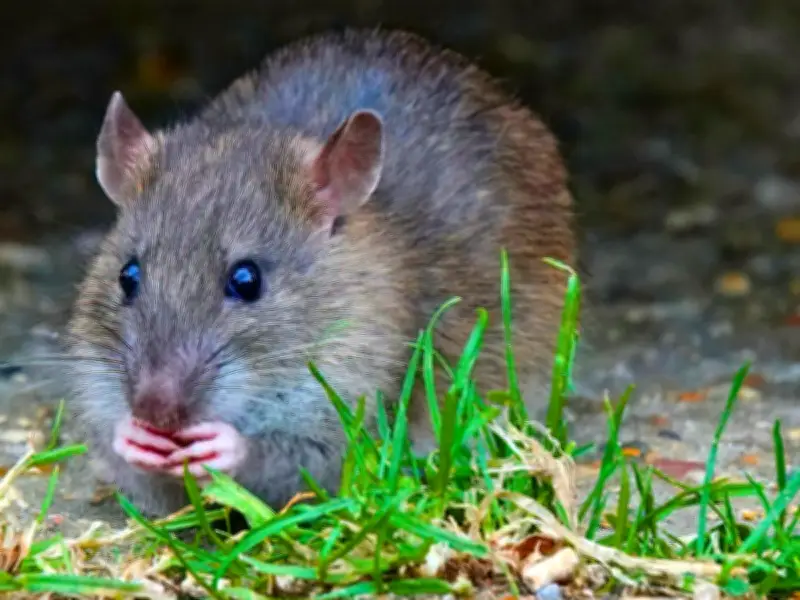
Rats will flee and never return if you grow one cheap plant in your garden, according to gardening expert Juanita Schulze from David's Garden Seeds. Summer is the ideal time to stop rats from settling in, and no traps or cruel poisons are needed.
Why Summer Is Critical for Rat Prevention
In late July, gardens are abundant with flowers and crops, but this also provides everything rats need to thrive. Rats become more noticeable in midsummer because it follows their peak breeding period. Numerous young rats leave nests to find their own refuge, often entering gardens as the easiest source of food, including dropped fruit, bird feed, and delicate plants.
If rats establish themselves now, they can quickly damage plants, mar the garden's appearance, reproduce through autumn, and eventually move into homes when temperatures drop. Preventing a few rats in summer is far easier than tackling a severe infestation later.
Natural Repellent: Strong-Smelling Herbs
Juanita Schulze recommends planting herbs as a protective barrier. She said: "You can plant herbs around your garden, sort of like a protective wall to repel rodents. Herbs that have the strongest smells such as mint (especially peppermint), catnip, rosemary, sage, lavender, oregano, and basil are the most effective plants at keeping these unwelcome creatures away."
Herbs contain potent compounds that irritate a rat's sensitive nose, making the environment uncomfortable. Rats have extraordinarily sensitive nostrils, easily overwhelmed by strong scents, so this method encourages them to leave before they become established, without traps or poison.
Best Herbs to Deter Rats
Peppermint, or any minty plant, is widely regarded as the most effective. It contains menthol, which produces an exceptionally potent odour that rats find particularly irritating. However, peppermint spreads rapidly, so most gardeners grow it in a container to prevent it from taking over.
Lavender has a pleasing floral fragrance for humans but contains linalool and linalyl, which are too overpowering for rats, prompting them to seek shelter elsewhere. Popular kitchen herbs like oregano, sage, and basil also serve as repellents; planting them together near fences or entry points boosts effectiveness.
Catnip can also be used, but it attracts cats, which may dig up gardens or nibble plants.
Why Summer Is the Best Time
Using herbs to discourage rats is most effective in midsummer because younger rats are more wary of unfamiliar scents and tend to flee, as strong odours can signal danger. Additionally, herbs disguise food smells in the garden, making it harder for rats to find anything to eat and encouraging them to relocate quickly.