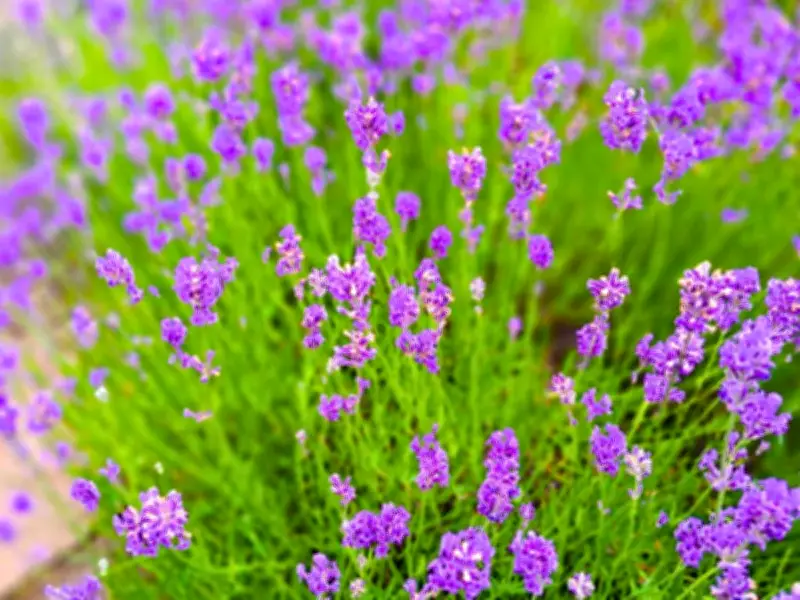
Lavender, a woody herb native to the Mediterranean, requires different care from most garden plants. According to lifestyle expert Katherine McPhillips, the key to encouraging abundant purple flowers in July is to scatter gravel around the base of the plant rather than using fertiliser.
Why Fertiliser Harms Lavender
Fertilising lavender in July is a common mistake. The plant naturally thrives in poor, sandy soil with minimal nutrients. Applying fertiliser causes it to channel energy into leafy foliage, halting flowering and stressing the plant. Soft new growth also attracts slugs, further damaging the lavender.
The Gravel Solution
Scattering gravel around the base of lavender helps draw moisture away from the roots and boosts air circulation, reducing humidity. This replicates the arid conditions of its native environment. Gravel also warms up rapidly in sunlight, heating the soil to recreate a Mediterranean climate, encouraging continuous flowering.
Waterlogged soil is a primary cause of struggling or dying lavender in British gardens, especially during July's rainfall. Gravel assists stagnant water in draining away, preventing waterlogged soil while still providing adequate moisture.
Additional Tips for Blooming
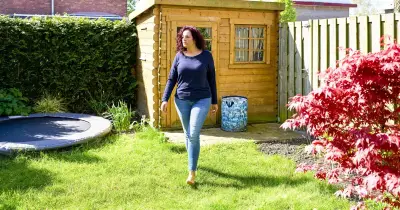
If lavender still refuses to bloom after applying gravel, check that it receives six to eight hours of direct sunlight daily. Avoid shaded areas. McPhillips cultivates her lavender beside her patio in a bright location, away from other plants, and it consistently flourishes with minimal effort.
Maintaining lavender typically means providing fewer nutrients and less water. By laying down gravel, gardeners can expect plenty of purple stems throughout the summer.