Gardeners are being warned about a potential slug invasion this weekend that could undo weeks of hard work. The mild winter and wet start to summer have created ideal conditions for these garden pests to thrive.
Perfect Storm for Slugs
A wet start to summer has created the perfect conditions for slugs. Rain swept across the country last week, and now temperatures are rising. The combination of moisture and warmth is ideal for slugs to grow and reproduce rapidly.
Research from the Agriculture and Horticulture Development Board (AHDB) states that slugs grow and reproduce more rapidly when conditions are moist, with activity heavily influenced by temperature and moisture levels.
Threat to Gardens
If slugs make their home in your garden, they can quickly destroy vulnerable flowers, vegetables and other plants. Young seedlings, leafy vegetables and ornamentals are most at risk.
Tom Clamp, head of technical at Doff, said: "While no one can predict exact slug numbers, the conditions we've seen so far this year are highly favourable for slug activity. Slugs thrive in damp environments and a mild winter followed by wet weather means gardeners should be prepared for increased pressure on vulnerable plants."
He added: "Once slugs become established, they can quickly undo weeks of hard work in the garden, so early prevention is key."
Signs of Slugs in the Garden
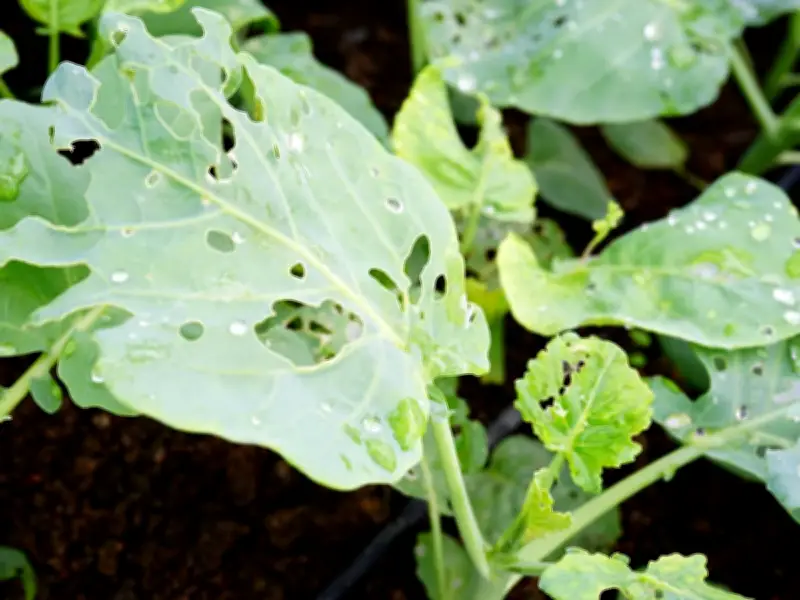
- Irregular holes in leaves, flowers and vegetables
- Slime trails on plants, paving and containers
- Damage appearing overnight, particularly after rainfall
- Young plants disappearing or collapsing unexpectedly
How to Get Rid of Slugs
According to the RHS, eradicating slugs completely is impossible. Because they are a normal part of the garden ecosystem, it is better to learn to live with them rather than kill them. Here are some ways to minimise damage:
- Choose resistant plants: Plants with thick, waxy leaves are less likely to be targeted.
- Encourage predators: Make your garden welcoming to birds, frogs, toads, hedgehogs and beetles. They will help control the slug population naturally.
- Remove by hand: On mild evenings, go out with a torch and pick slugs off plants. Move them to another part of the garden, such as the compost heap.
- Change watering schedule: Water in the early morning rather than the afternoon. Slugs love moisture, and damp evenings encourage them to explore and feed.