
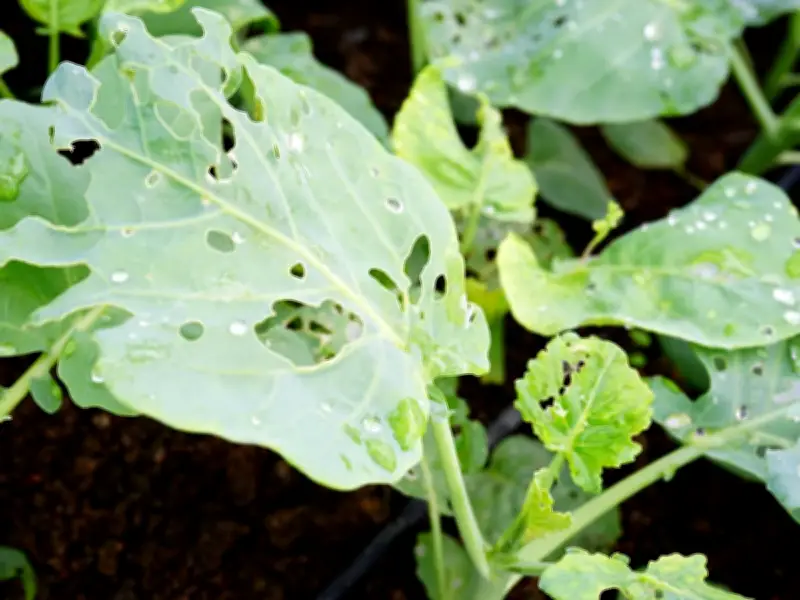
After a mild winter and a soggy start to summer, rain lashed the country last week and temperatures are now climbing. The conditions couldn't be more ideal for one of the garden's most dreaded pests.
Slugs are flourishing thanks to recent weather patterns and are set to descend on gardens throughout the UK. Research from the Agriculture and Horticulture Development Board (AHDB) confirms that slugs grow and reproduce far more quickly in moist conditions, with their activity heavily driven by temperature and moisture levels.
Should slugs take hold in your garden, they can rapidly devastate delicate flowers, vegetables and other plants.
Tom Clamp, head of technical at Doff, warned: "While no one can predict exact slug numbers, the conditions we've seen so far this year are highly favourable for slug activity. Slugs thrive in damp environments and a mild winter followed by wet weather means gardeners should be prepared for increased pressure on vulnerable plants."
If you've spent your spring nurturing seedlings and soft-stemmed flowers ahead of summer, you'll need to keep a close eye out for slugs. Young seedlings, leafy vegetables and ornamentals are most at risk.
Tom added: "Once slugs become established, they can quickly undo weeks of hard work in the garden, so early prevention is key."
There are several telltale signs of slug activity that you should be on the lookout for, because the sooner you spot them in your garden, the faster you can take action. Getting ahead of the problem is crucial to prevent slugs from taking hold and wreaking havoc on all your hard work.
Signs of slugs in the garden
- Irregular holes in leaves, flowers and vegetables
- Slime trails on plants, paving and containers
- Damage appearing overnight, particularly after rainfall
- Young plants disappearing or collapsing unexpectedly
How to get rid of slugs
According to the RHS, completely wiping out slugs is simply not possible - and as they form a natural part of the garden ecosystem, it makes far more sense to find a way to coexist with them, rather than attempting to eliminate them entirely. However, there are several measures you can take to limit the destruction they cause.
- Choose resistant plants: Plants with thick, waxy leaves are less likely to be targeted.
- Encourage predators: If you make your garden welcoming to birds, frogs, toads, hedgehogs and beetles, they will take care of the slug problem themselves and balance the ecosystem.
- Remove by hand: On mild evenings, head out with a torch and hand pick any slugs you see. Pop them into a container and move them to another part of the garden, such as the compost heap.
- Change watering schedule: Water in the early morning rather than the afternoon, as slugs love moisture. If your garden is still damp in the evening, slugs are more likely to explore and snack on your plants.




