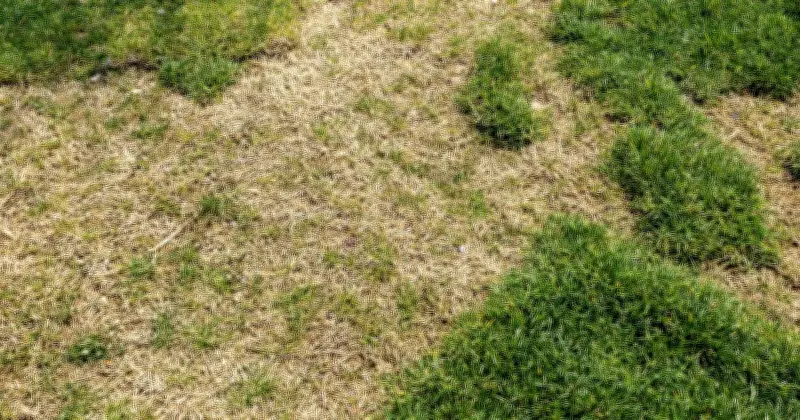
After weeks of sunshine and scorching temperatures, many UK lawns have gone from lush green to dry and brown, leaving gardeners questioning whether their grass is dead. According to Hildreth’s Home & Garden Centre, the grass is likely lying dormant during prolonged hot, dry weather. “It’s a clever survival mechanism that allows the plant to conserve water until conditions improve,” they said. “So, although the grass blades turn brown, the roots are usually still alive and well beneath the surface.”
Feeding the Lawn After the Heatwave
One way to help the lawn bounce back is to feed it after the heatwave ends. The forecast for most areas of the UK indicates that Sunday will be the perfect day to feed the grass, as temperatures are expected to be in the low 20s for the first time in weeks. It is important to feed the lawn when temperatures have cooled, applying a balanced late-summer feed.
Apply the fertiliser evenly across the lawn, ideally when rain is expected, or lightly water it afterwards. Gardeners should follow the manufacturer’s instructions carefully. Lawn experts say feeding the grass after a heatwave can help it recover more quickly once cooler weather returns.
Mowing and Watering Tips
During the recovery period, it is also worth mowing with care. Raising the mower blades slightly will leave the grass longer, helping it retain moisture and protect the soil from drying out too fast. Avoid cutting more than a third of the grass height in a single mowing, as this can weaken plants already recovering from drought.
Climate experts predict that hot, dry summers are likely to become more common in the UK, so building a resilient lawn is becoming increasingly important. According to experts, healthy roots are the “secret” to a greener lawn year-round. Gardeners can also help by watering deeply but less frequently, aerating compacted lawns in autumn, adding organic matter to improve the soil, and avoiding unnecessary foot traffic during prolonged dry spells.